IDS Auto
IDS Auto
IDS Auto
High-performance temperature-controlled solutions customized for Liguria's challenging topography and intensive port corridors.
As the largest seaport in Italy and a key gateway to the industrial heartlands of Southern Europe, the Port of Genoa handles massive volumes of temperature-sensitive maritime cargo. The integration of container terminals with overland logistics corridors places extreme demands on refrigerated transport infrastructure. Perishable products, fresh seafood from the Mediterranean, imported meat, and pharmaceuticals require continuous, highly reliable refrigeration across Liguria's complex road networks.
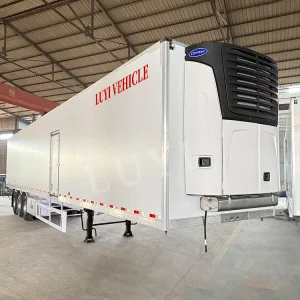
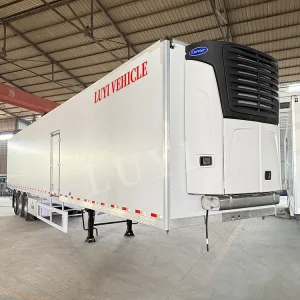
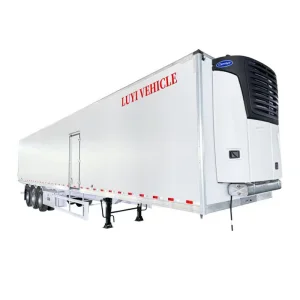
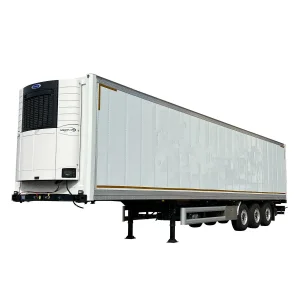
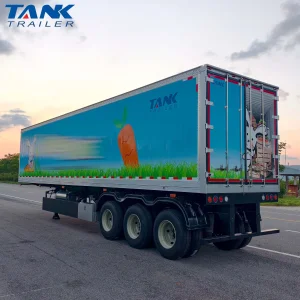
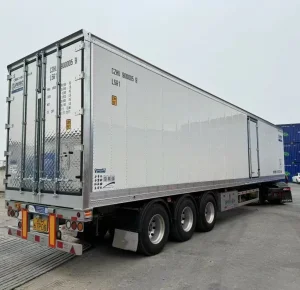
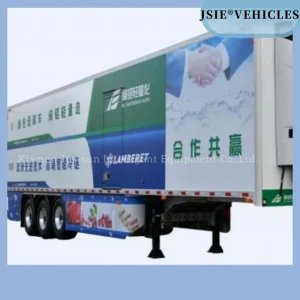
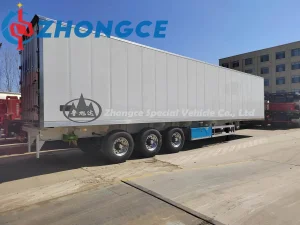
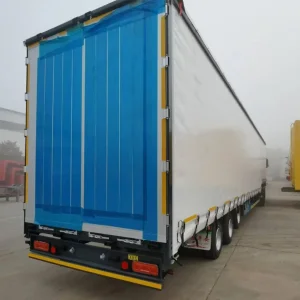
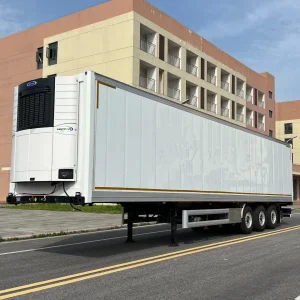
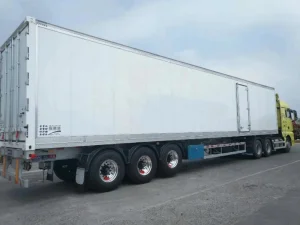
Transporting temperature-controlled goods from Genoa requires trailers engineered to navigate the steep climbs of the Apennine motorway routes (such as the A7 and A26) while maintaining strict temperature consistency. With ambient marine humidity and rapid altitude variations, standard trailers risk thermal bridge failures and condensation damage. IDS Auto's customized refrigerated semi-trailers address these specific conditions, offering optimized insulation parameters and high-performance structural configurations to satisfy local transport demands.
Tailoring structural and thermal engineering for the unique maritime, industrial, and geographic landscape of Northern Italy.
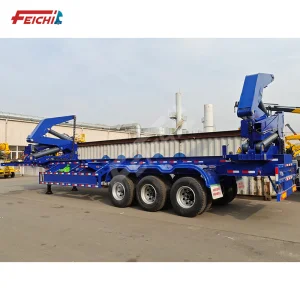
Direct discharge of temperature-sensitive containers from container vessels at Genoa Port requires rapid overland connection. Our side loaders and high-capacity reefers facilitate quick container handling and immediate connection to the distribution grid.
Navigating the steep inclines of the A7 highway toward Milan requires optimized trailer weight. Lightweight aluminum alloy superstructures combined with high-performance EBS braking systems ensure stability and fuel efficiency during high-torque climbs.
Ligurian fisheries and maritime imports demand stable sub-zero environments (-20°C to -30°C). Multi-temperature compartments prevent cross-contamination between seafood, fresh produce, and dry goods during shared regional distribution runs.
IDS Auto leverages advanced material science and thermodynamic research to ensure low K-factor values and maximum cargo protection.
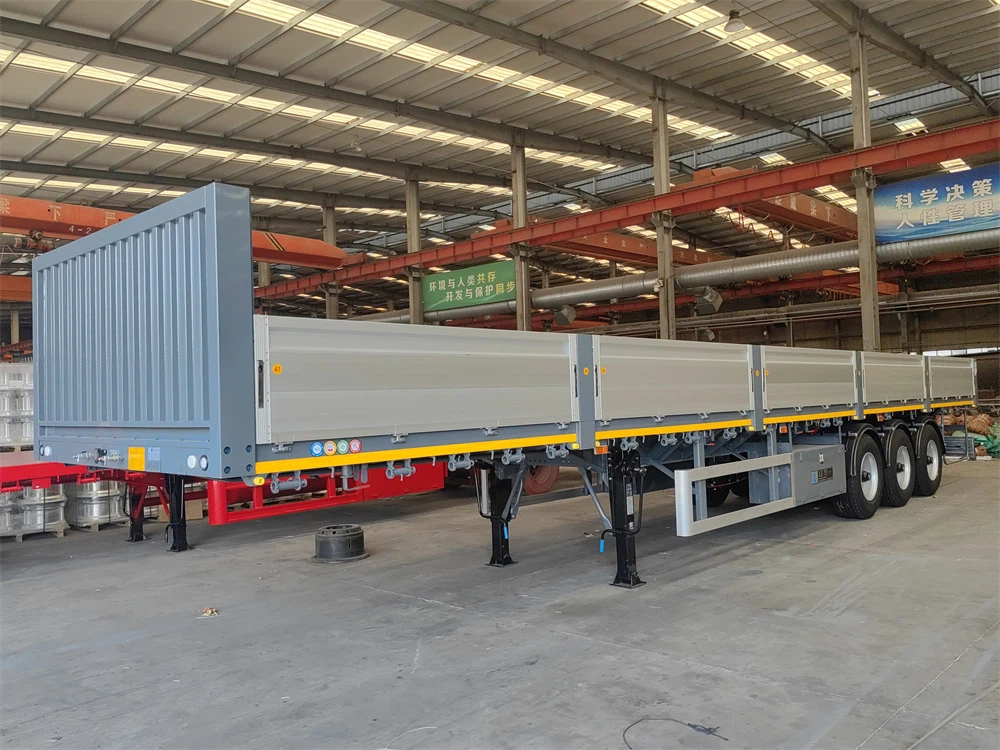
Polyurethane Foam Lamination (PU): We utilize high-pressure, wet-in-wet vacuum lamination with a polyurethane density of 42-45 kg/m³. This prevents internal voids and ensures a consistent K-factor (thermal conductivity) of ≤ 0.38 W/(m²·K), complying with ATP Class FRC standards.
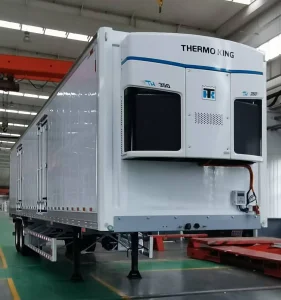
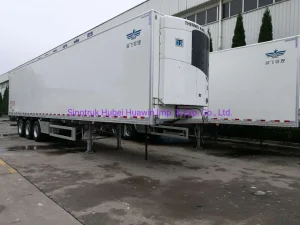
Thermal Bridge Elimination: The connection points between the floor, side panels, and roof are reinforced with high-density structural PVC isolation blocks. This design prevents thermal bridges, reducing the operational load and fuel consumption of the Thermo King or Carrier refrigeration units.
Chassis Corrosion Resistance: Exposure to salty marine air at the Genoa Port terminals can accelerate steel corrosion. Our trailers undergo full hot-dip galvanization and a multi-stage electrophoretic paint process (KTL) to ensure long-term durability in high-salinity environments.
Dynamic Electronic Braking (EBS/RSS): Integrated WABCO electronic braking systems and Roll Stability Support protect the trailer and cargo during steep downhill descents and tight turns along the Ligurian coast.
IDS Auto is a dedicated transport vehicle customization expert, connecting Chinese manufacturing efficiency with global logistics markets. Founded in 2002, the company is registered under the national Ministry of Industry and Information Technology automotive product announcement catalog and recognized as a national high-tech enterprise. We focus on the research, development, and production of diverse trailer configurations, including dump trucks, semi-trailers, full trailers, and specialized cold chain operations.
Our production facilities cover 300,000 square meters, featuring 80,000 square meters of dedicated assembly workshops. Operating 5 advanced special vehicle production lines, our facility is one of the largest industrial parks in the Anhui special vehicle manufacturing base. Supported by a robust research and development team, we hold dozens of invention and utility model patents, ensuring our trailers meet rigorous structural and thermal requirements.

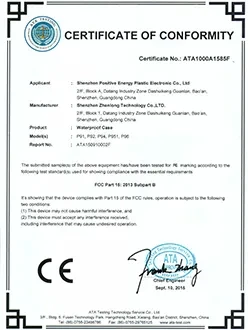
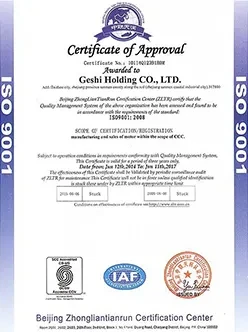
Our commitment to quality, environmental responsibility, and international standards is validated by global certifications.
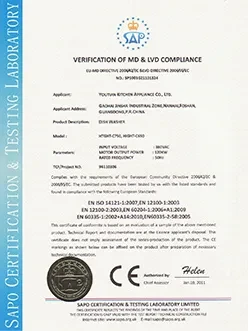
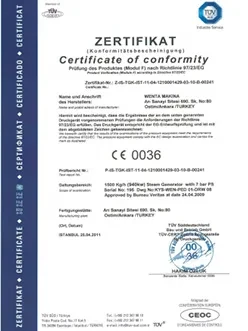
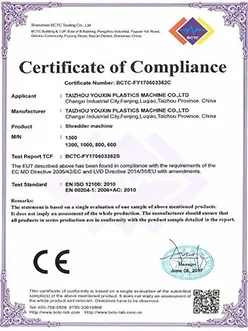
IDS Auto operates under integrated management systems including ISO9001 for quality management, ISO14001 for environmental protection, and ISO45001 for occupational health and safety. Our products comply with mandatory safety and performance standards for import into key global markets, including European CE certification, Russian OTTC certification, Saudi Arabian SASO, GCC standards for the Middle East, and NOM certification for Mexico.

Explore our complete range of refrigerated, insulated, and specialized logistics trailers for regional and global routes.
Technical answers regarding local road compliance, thermal performance, and import procedures for Ligurian logistics operators.