 IDS Auto
IDS Auto
IDS Auto
When considering the question, "Why is the resale value of certain used trucks higher than others?" industry expert John Baxter, a renowned automotive appraiser, provides valuable insights. He emphasizes, “The brand reputation and maintenance history play crucial roles in determining resale value.”
Factors influencing resale value are complex. Popular brands like Ford and Chevrolet tend to retain value better than others. Consumers often prefer these brands for their reliability and performance. Well-maintained trucks with a documented history appeal to potential buyers. Trucks that have been regularly serviced are viewed as lower risk.
Additionally, external market conditions affect resale values. Economic factors can shift buyer preferences. Seasonal demand can also change the landscape, impacting pricing. While some trucks may boast impressive resale values, others fail to meet expectations. The key lies in understanding market dynamics and choosing wisely.
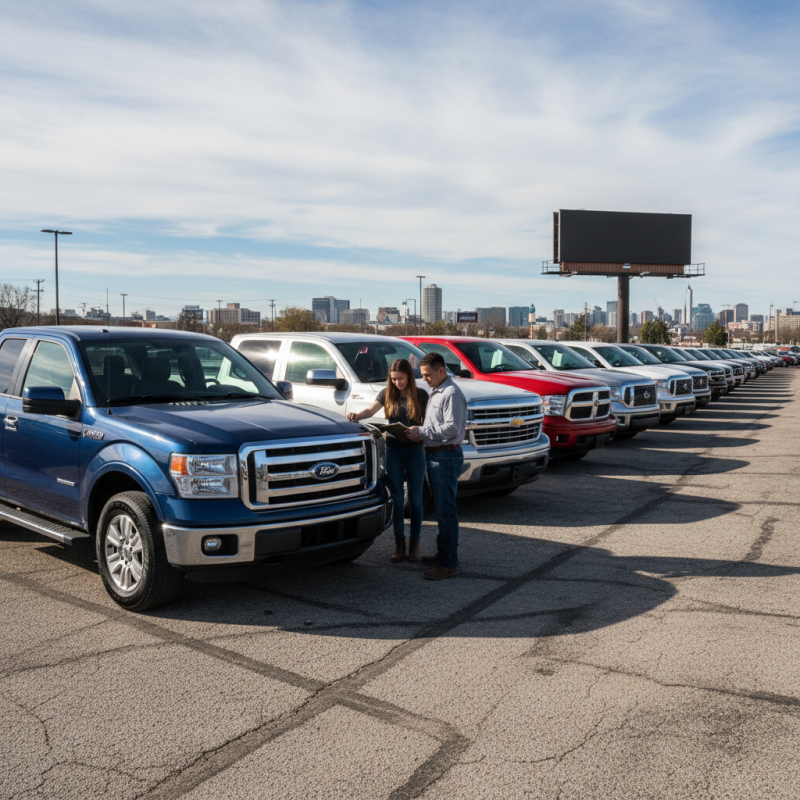
When it comes to the resale value of used trucks, several key factors come into play. The overall condition of the truck is paramount. Buyers tend to favor vehicles that show minimal wear and tear. A truck with a clean exterior, well-kept interior, and proper maintenance records can significantly boost its value. Regular servicing matters. Maintenance affects reliability and performance, which are crucial for potential buyers.
Another important aspect is the truck's mileage. Generally, lower mileage indicates less use, making the vehicle more appealing to buyers. Trucks with extensive records showcasing careful driving habits can also draw more interest. In addition, the type of engine and drivetrain can influence value. Fuel efficiency often weighs heavily in a buyer's decision-making process.
Market trends play a significant role too. Seasonal demand fluctuations can affect prices. Some trucks may appreciate due to specific needs, like work vehicles for trades. Other factors, such as brand reputation and resale history, can make a truck more desirable. Ultimately, understanding these elements can help sellers position their trucks effectively, yet many overlook these vital points.
| Factor | Description | Impact on Resale Value | Example |
|---|---|---|---|
| Age of Truck | The number of years since manufacture | Higher age typically lowers value | 2015 model vs 2020 model |
| Mileage | Total distance the truck has travelled | Lower mileage usually means higher value | 30,000 miles vs 100,000 miles |
| Condition | Overall physical and mechanical state | Better condition increases the value | Well-maintained vs. poorly maintained |
| Brand Reputation | Perception of reliability and quality | Strong brands often have higher resale values | Trusted vs. lesser-known brands |
| Market Demand | Current interest and need for specific truck types | High demand can drive prices up | Pickups in high demand vs. vans |
| Features & Upgrades | Additional options and enhancements | More features can increase value | GPS, upgraded engines, etc. |
| Service History | Records of maintenance and repairs | Consistent service can enhance value | Regular service vs. lack of maintenance |
: Key factors include overall condition, mileage, engine type, and market trends.
A well-maintained truck with minimal wear attracts more buyers and can significantly boost value.
Lower mileage generally indicates less use, increasing trust and the likelihood of a higher resale price.
Yes, if they’ve been well-maintained, high-mileage trucks can still command reasonable resale prices.
Strong brands usually indicate reliability, leading buyers to pay higher prices for those trucks.
Sellers need to understand current brand reputation as it can fluctuate and affect resale values.
Yes, regular maintenance enhances reliability, ultimately increasing the appeal and price of the truck.
Seasonal demand and specific needs can influence prices significantly, affecting how trucks are priced.
Buyers should assess the entire history of the truck, not just mileage, to make informed decisions.
Brand reputation shifts, quality issues, or unexpected events can unpredictably impact resale values.
The resale value of used trucks can vary significantly due to several influencing factors. One critical aspect is mileage; vehicles with lower mileage often command higher prices, as they are perceived to have more life left in them. Additionally, brand reputation plays a crucial role; trucks associated with trusted manufacturers tend to retain their value better due to consumer loyalty and confidence in reliability.
Another vital element is the maintenance history, as comprehensive records can assure potential buyers of the vehicle's upkeep, thereby enhancing its resale value. Lastly, market trends also affect used truck prices, with seasonal variations impacting demand and pricing strategies. Understanding these factors is essential to answer the question: "Why is the resale value of certain used trucks higher than others?" By prioritizing brand reputation, mileage, maintenance, and staying informed about market trends, sellers can optimize their prices effectively.
