Climbing hills with a full tanker can be a daunting challenge for any truck driver. Many operators wonder, "Why is my truck losing power when climbing hills with a full tanker?" This question highlights a common issue faced by drivers in the transport industry. Understanding the factors that contribute to this loss of power is crucial for performance and safety.
Heavy loads create significant strain on the truck's engine and transmission. When trucks are fully loaded, especially while ascending a steep incline, the required power increases. Insufficient power can stem from several issues. A poorly maintained engine, inadequate fuel supply, or issues with the transmission can all play a role. Drivers may need to consider whether their truck is suited for such demanding tasks.
Additionally, steep inclines demand more than just horsepower. Fuel quality, tire pressure, and even driver technique can impact performance. Maintenance is key; regular checks on engine health and load management are essential. It’s also worth asking if a different route could alleviate strain. Reflecting on these factors can provide answers and improve driving experiences.
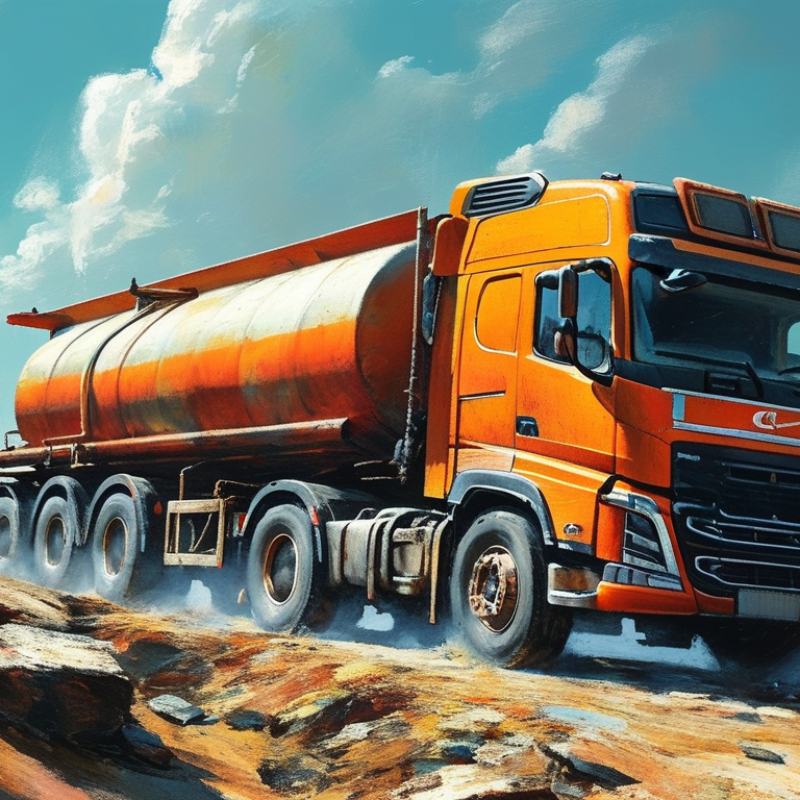
Understanding Truck Power Loss While Climbing Hills with Heavy Loads
Climbing hills with a full tanker can strain your truck's power. Heavy loads demand more from your engine, especially on inclines. When you drive uphill, the additional weight can lead to a noticeable loss in power. This loss occurs due to several factors, including engine efficiency and transmission limitations. As the load increases, your truck's engine must work harder, which can lead to overheating and reduced performance.
To maintain power while climbing, try these tips. Regular maintenance is crucial. Ensure your engine is tuned properly. Check air filters and fuel injectors. A clean engine performs better, especially under strain.
Choosing the right gear is essential, too. Shifting to a lower gear can help maintain speed on inclines. This change gives your engine more torque, allowing for a better climb. Also, avoid sudden acceleration. Gradual power increases can help manage the load better.
Traffic or road conditions can exacerbate power loss. Be mindful of steep hills or heavy vehicles around you. Observing these factors can help you plan your route more effectively. A well-thought-out approach can make a significant difference in performance.
Key Factors Contributing to Power Loss in Trucks on Inclines
When trucks climb hills with a full tanker, power loss can be a common concern. Several factors contribute to this issue. First, the weight of the tanker significantly impacts engine performance. A fuller load demands more power from the engine, especially on steep inclines. Additionally, steep grades can increase aerodynamic drag, making it harder for the truck to maintain speed.
Another crucial factor is engine efficiency. If the engine is not tuned or maintained properly, it may struggle under heavy loads. Poor fuel quality can also affect power output, causing engine hesitation or stalling. Sometimes, transmission issues can arise, leading to inefficient power transfer.
**Tip:** Regular maintenance can help ensure your truck runs smoothly. Inspect fuel filters and air intakes frequently. Keeping the engine in top shape can minimize power loss.
**Tip:** Consider weight distribution in your load. Evenly distributing cargo can optimize the truck's performance on inclines. A well-balanced load helps combat drag and increases stability.
Power loss on hills may feel frustrating, but understanding these factors can lead to better performance. Reflect on how load management impacts climbing ability, and make adjustments accordingly.
Power Loss Factors in Trucks While Climbing Hills
Effects of Weight Distribution on Truck Performance and Power Loss
When a truck climbs a hill with a full tanker, several factors influence its power performance. Weight distribution plays a critical role in how effectively a truck can navigate inclines. Distribution affects both traction and acceleration. According to a study from the American Trucking Associations, improper weight distribution can lead to a significant decrease in power output, resulting in slower ascent times.
Heavy loads concentrate weight toward the back of the vehicle, which can reduce traction on the front wheels. This situation becomes particularly problematic during climbs. Research highlights that trucks with an optimal weight distribution improve their climbing ability by up to 15%. However, many operators overlook the importance of adjusting weight distribution for different loads, leading to unexpected power loss while climbing.
Additionally, Aerodynamic drag increases as a truck ascends. With a full tanker, extra weight can create additional strain on the engine. Some reports indicate that heavy tanker trucks can consume up to 30% more fuel when climbing. This factor, combined with poor weight distribution, can cause power loss that compromises efficiency. Addressing these elements can lead to better performance, yet many may not consider these insights until faced with power loss on steep gradients.
Engine Strain: How Load and Terrain Impact Power Output
Climbing hills with a full tanker can significantly strain your truck’s engine. When facing inclines, the weight of the load adds resistance. This extra load demands more power from the engine, leading to a noticeable loss in performance.
The terrain impacts how your truck operates. Steep grades require the engine to work harder. The changes in elevation can lead to overheating and fatigue. Moreover, the fuel efficiency drops as the engine labors under increased load. Many drivers may not realize that their trucks aren't designed for maximum power under heavy conditions.
Drivers often report varying experiences with truck performance in hilly areas. Some trucks handle loads better than others. This inconsistency can lead to frustration and a lack of confidence. It’s important to evaluate your truck’s specifications and understand its capabilities. Often, it’s not just about having a full tank; it’s about how capable the vehicle is in navigating tough terrains.
Maintenance Tips to Prevent Power Loss When Climbing Hills
When your truck struggles to climb hills while fully loaded, the issue often lies in its maintenance. Regular checks can help you avoid power loss. A dirty air filter can choke the engine, leading to poor performance. Cleaning or replacing it regularly ensures optimal airflow. Ensure the fuel system is also properly maintained. Clogged fuel injectors can disrupt fuel delivery, causing the engine to lag, especially during heavy climbs. An efficient fuel system keeps the power flowing.
Tire pressure is another critical factor. Under-inflated tires can increase rolling resistance, making it harder for your truck to climb steep hills. Always check the pressure before long journeys. Engine oil should not be overlooked. Consistent oil changes help maintain engine efficiency. Old oil can cause friction, reducing power. Sometimes, knowledge alone isn’t enough. You may miss signs that your truck needs attention. Staying proactive can prevent deterioration.
Regularly inspect your truck’s transmission. If it isn’t shifting smoothly, it might strain under heavy loads. A struggling transmission can sap power, especially on inclines. Take the time to find a skilled technician. Expert eyes can catch issues early. Each step you take helps ensure that your truck maintains its power when you need it most.
FAQS
: Weight, steep grades, engine efficiency, and fuel quality play key roles in power loss.
Proper weight distribution improves traction and acceleration, significantly impacting power output on inclines.
Climbing with a full tanker increases aerodynamic drag, causing the engine to work harder and consume more fuel.
Regular maintenance ensures the engine runs efficiently, reducing the risk of power loss under heavy loads.
Dirty air filters reduce airflow, choking the engine and leading to poorer performance, especially on inclines.
Under-inflated tires increase rolling resistance, making it harder for trucks to ascend steep hills.
Regular checks for clogged fuel injectors are essential to maintain smooth fuel delivery and peak power.
A poorly maintained transmission can struggle under loads, leading to power loss, especially on inclines.
Operators should regularly adjust weight distribution to optimize truck performance and prevent unexpected power loss.
Sometimes, signs of maintenance needs are missed, leading to decreased performance and efficiency when climbing.
Conclusion
When faced with the question, "Why is my truck losing power when climbing hills with a full tanker?", several key factors come into play. Understanding how weight affects truck performance is crucial, as heavier loads can significantly strain the engine, reducing power output, especially on inclines. Factors such as weight distribution directly influence the truck's capability to maintain speed and traction while climbing.
Additionally, the type of terrain and overall engine maintenance play pivotal roles in performance. It's essential for truck drivers to ensure that their vehicles are in optimal condition to handle the extra strain from heavy loads. Regular maintenance and awareness of the truck's limitations can help mitigate power loss when navigating hilly terrains.
 IDS Auto
