IDS Auto IDS Auto

Why Choose a Tri Axle Setup Over a Tandem Axle for Flatbeds?

Time:2026-06-19 Author:Madeline
0%

When considering heavy transportation solutions, truck configurations play a crucial role. Flatbeds are popular due to their versatility. A common debate arises: Why use a tri-axle setup instead of a tandem axle for flatbeds?

Tri-axle setups provide superior weight distribution. This is essential when carrying heavy loads over long distances. The added axle allows for better stability and control. It also minimizes the risk of wear and tear on the tires, which can lead to safety issues. With a tri-axle, drivers often report enhanced handling, especially on rough terrain.

However, it is not all perfect. Tri-axles can be more expensive and heavier. They may pose challenges regarding maneuverability in tight spaces. For some operators, these drawbacks call for reflection. Yet, the long-term benefits often outweigh the initial concerns. Ultimately, understanding the pros and cons is key. Making the right choice can enhance efficiency and safety on the road.
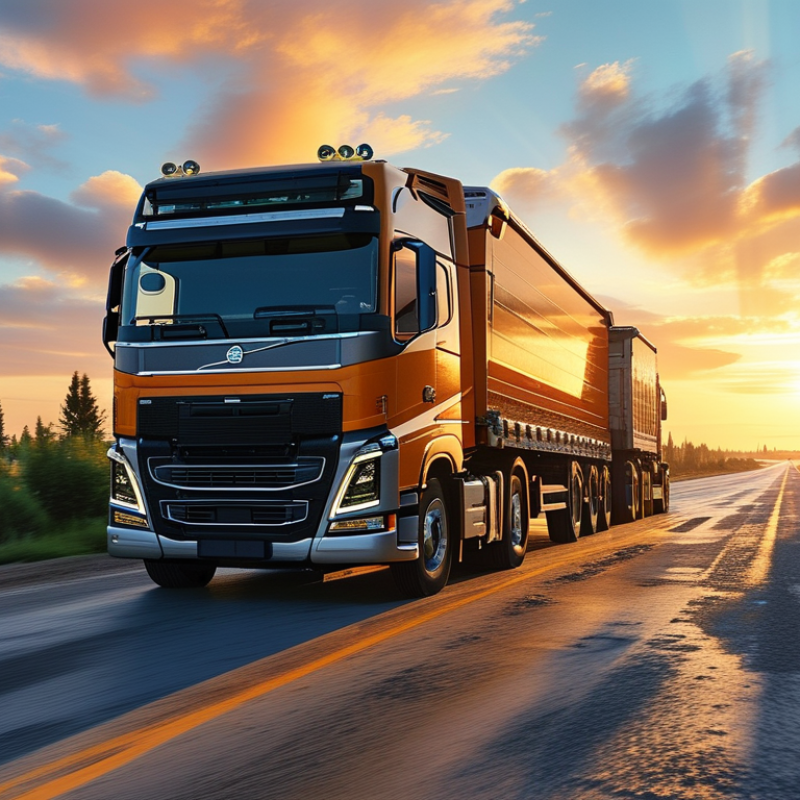
Why Choose a Tri Axle Setup Over a Tandem Axle for Flatbeds?

Advantages of Tri Axle Configuration for Flatbeds

When choosing a trailer configuration, the tri axle setup stands out for flatbeds. One of its primary advantages is weight distribution. A tri axle allows for better load management. This can significantly enhance stability while transporting heavy loads. With three axles, the weight gets evenly spread. This prevents overloading any single axle, reducing wear and tear.

Additionally, tri axles offer increased load capacity. Many flatbed hauls demand high strength. By using a tri axle, operators can carry heavier items without compromising safety. This setup also provides added traction. When driving on uneven terrain, extra axles help maintain balance. Better traction means fewer risks of losing control.

While the tri axle configuration shines in load capacity and stability, it may require more maintenance. Each axle demands attention to keep the setup running smoothly. This could lead to higher operational costs. It's essential to weigh these factors against the benefits. The decision is not always straightforward. For some, the practicality of increased load capacity outweighs the complexities involved.

Understanding the Load Capacity Differences: Tri Axle vs. Tandem Axle

When considering flatbed setups, the choice between a tri axle and a tandem axle often depends on load capacity. Tri axles provide increased stability and weight distribution. With three axles working together, the weight of heavy loads is better managed. This reduces wear on tires and axles, leading to longer vehicle life.

Tandem axles, while common, have limitations in weight capacity. They usually support less weight compared to tri axles. This can be a drawback for heavy cargo that exceeds tandem axle limits. The risk of overloading can lead to safety concerns and increased maintenance costs.

Choosing a tri axle can be less straightforward. They may cost more upfront. The added weight can also reduce fuel efficiency. Drivers need to balance the benefits of load capacity against these factors. Understanding your specific needs is crucial in making the best choice. This decision can affect your operation's efficiency and safety in the long run.

Load Capacity Comparison: Tri Axle vs. Tandem Axle

Stability and Control: How Tri Axles Enhance Performance

A tri-axle setup offers notable advantages in stability and control for flatbed trailers. Research from industry studies indicates that trailers with three axles experience reduced tire wear by up to 30%. This improvement enhances safety, particularly on uneven surfaces. The distributed weight across six tires supports better traction. This is essential for transporting heavy loads and navigating challenging terrains.

Moreover, tri-axle configurations minimize the risk of sway. A study showed that these setups reduce lateral movement by nearly 25% compared to tandem axles. This increased stability allows for smoother turns and safer lane changes. Operators often report better handling and reduced driver fatigue. However, some also mention increased difficulty in maneuvering in tight spaces.

Tri axles do come with a higher initial cost and require slightly more maintenance. Data suggests that long-term savings on tire replacements and fuel efficiency can offset these expenses. The overall higher payload capacity of tri axle trailers can compensate for these drawbacks. Ultimately, understanding both advantages and disadvantages is essential for making an informed decision.

Maintenance Considerations for Tri Axle Flatbeds

When considering a tri axle flatbed setup, maintenance plays a crucial role. Tri axle configurations provide better weight distribution. This design often leads to fewer wear issues on tires and axles. However, the additional axle increases components to monitor. More parts mean more possible points of failure. Owners must stay vigilant.

Routine inspections are essential. Check each axle's alignment regularly. The tires should have equal pressure. Uneven pressure can lead to rapid wear. Moreover, brake systems need close attention. Replacing brake linings on each axle can be costly, but ignoring this can lead to bigger problems down the road.

Lubrication is another significant aspect. Each axle requires regular greasing. Neglecting this can result in excessive friction. This situation can cause damage and reduce the lifespan of the flatbed. Proper maintenance extends the use of a tri axle setup. Investing time in small tasks can save money in the long run. While tri axle setups offer advantages, they demand a serious commitment to upkeep. Each decision should be made with care and consideration.

Cost-Benefit Analysis: Tri Axles Compared to Tandem Axles

When considering a tri axle setup versus a tandem axle for flatbeds, cost-effectiveness is key. Tri axles can distribute weight more evenly, allowing for higher payload capacity. According to industry reports, using tri axles can increase load capacity by up to 30%. This increased capacity can result in fewer trips and lower fuel costs. However, maintenance costs can be higher with tri axles due to the complexity of having an additional axle.

Capacity is only one part of the equation. Tandem axles tend to offer simplicity and lower initial costs. Their setup is less complex, reducing the overall maintenance burden. Data suggests that while tri axles have a higher load potential, tandem axles are often favored for smaller operations due to lower upfront expenses.

Tip: Evaluate your specific hauling needs carefully. Consider the types of loads you transport most frequently. If you often carry heavier cargo, a tri axle may be the better investment. However, for lighter, more varied loads, a tandem may suffice.

Investing in the right axle configuration involves reflection. Weighing long-term benefits against initial costs is crucial. Your choice will impact not just today, but your operations for years to come.

Why Choose a Tri Axle Setup Over a Tandem Axle for Flatbeds? - Cost-Benefit Analysis: Tri Axles Compared to Tandem Axles

Dimension Tri Axle Tandem Axle
Load Capacity 21,000 lbs 15,000 lbs
Weight Distribution Better Moderate
Tire Wear Lower Higher
Maneuverability Good Excellent
Cost of Setup Higher Lower
Fuel Efficiency Moderate Good
Overall Stability Very High High

FAQS

: What are the key benefits of a tri axle flatbed configuration?

: Tri axles improve weight distribution, increase load capacity, and enhance stability on uneven terrain.

How does tri axle configuration prevent wear and tear?

Weight is evenly spread across three axles, reducing pressure on each one, which lowers wear rates.

Are tri axles more capable of handling heavy loads than tandem axles?

Yes, tri axles can carry heavier items safely compared to tandem axles, which have lower weight limits.

What maintenance challenges come with tri axles?

Tri axles require more inspection and care, as each axle increases the number of parts to monitor.

How can improper tire pressure affect a tri axle flatbed?

Uneven tire pressure leads to rapid wear and reduces overall stability, impacting performance.

What is an important aspect of maintaining tri axle braking systems?

Regular inspection and timely replacement of brake linings are crucial to prevent costly failures.

Do tri axles impact fuel efficiency?

Yes, the added weight of a tri axle setup can reduce fuel efficiency when compared to lighter configurations.

Why is lubrication important for tri axles?

Regular greasing prevents excessive friction, which can damage components and shorten the flatbed's lifespan.

What should operators consider before choosing a tri axle?

Operators must weigh increased load capacity against maintenance costs and fuel efficiency impacts.

What is a potential downside of tri axles?

They may have higher upfront costs and require a commitment to regular upkeep to function effectively.

Conclusion

When considering the optimal configuration for flatbed trailers, a key question arises: "Why use a tri-axle setup instead of a tandem axle for flatbeds?" The advantages of a tri axle configuration include enhanced load capacity, stability, and control. Tri axles can distribute weight more efficiently, making them suitable for transporting heavier loads without compromising safety or performance.

In addition, tri axles offer better stability and handling, particularly on uneven terrain or during adverse weather conditions. When it comes to maintenance, tri axles may require more attention due to their complexity, but they also provide greater durability and lifespan. A cost-benefit analysis reveals that, despite potentially higher upfront costs, tri axles often prove to be more economical in the long run due to their superior performance and longevity. Overall, choosing a tri-axle system can significantly enhance the efficiency and reliability of flatbed operations.

Madeline

Madeline

Madeline is a dedicated marketing professional with a wealth of expertise in our company's core offerings. With a keen understanding of the industry, she brings a unique perspective to her role, consistently delivering high-quality content that highlights the superior aspects of our products. As......