IDS Auto IDS Auto

Top 10 Smart Technologies for Semi Trailer Fleets?

Time:2026-10-09 Author:Amelia
0%

Semi-trailer fleets are becoming connected, measurable, and increasingly preventive. The American Trucking Associations reports that trucks moved 11.27 billion tons of freight in the United States during 2022. They also generated 80.7% of the nation’s freight transportation revenue. That scale makes small operational improvements financially meaningful. A missed tire warning can become roadside downtime, a delayed delivery, or an avoidable safety concern.

Smart technology integration in modern semi trailer fleets now extends beyond basic GPS tracking. The leading solutions combine trailer telematics, tire-pressure monitoring, electronic logging data, temperature sensors, camera systems, geofencing, predictive maintenance, and secure digital freight records. The 2024 ATRI Operational Costs of Trucking report highlights the continuing pressure from fuel, repair, equipment, and labor expenses. These pressures explain why fleet managers are examining technology through measurable results, not attractive demonstrations. Industry research from Berg Insight’s Fleet Management in the Americas report also shows continued growth in connected commercial vehicle systems.

The Top 10 Smart Technologies for Semi Trailer Fleets examines where these tools create practical value. The focus remains specific: fewer empty miles, earlier fault detection, stronger cargo visibility, and reduced trailer dwell time. Real fleet experience matters. A dashboard alert is useful only when a technician can act before a bearing overheats. A temperature sensor is valuable only when its data reaches the right person quickly. Some implementations still disappoint because devices lack integration, drivers receive excessive alerts, or managers overlook cybersecurity. That weakness deserves attention. Technology is not automatically intelligent. Its value depends on reliable data, trained people, disciplined maintenance, and continuous performance review.
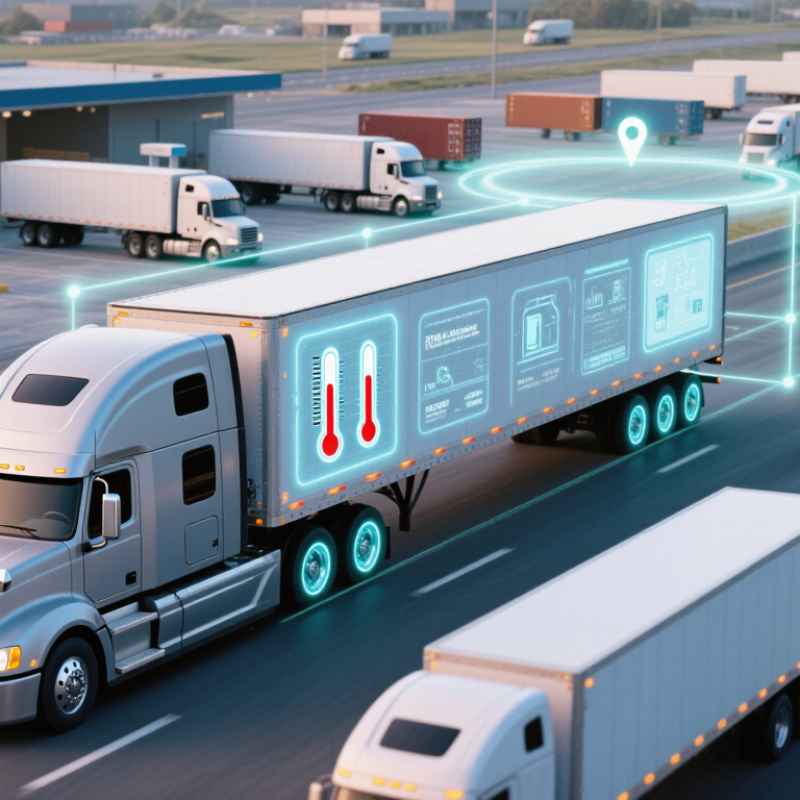
Top 10 Smart Technologies for Semi Trailer Fleets?

Defining Smart Technology in Semi-Trailer Fleet Management

Smart technology in semi-trailer fleet management means connected tools that turn daily movement into usable decisions. It is more than GPS tracking. A smart system combines telematics, trailer sensors, electronic inspections, route analytics, temperature monitoring, tire-pressure alerts, and predictive maintenance. It should show what happened, why it happened, and what needs attention next.

The American Trucking Research Institute reported an average trucking operating cost of about $2.26 per mile in its 2024 analysis. That pressure makes small improvements important. A sensor that detects low tire pressure early can reduce avoidable wear, while door and cargo sensors can reveal loading problems before delivery. The U.S. Department of Energy notes that heavy-duty vehicles can waste significant fuel during extended idling. Smart idle monitoring therefore has practical value, especially in long queues and cold yards. Still, technology is not automatically intelligent. Poor sensor placement, weak connectivity, or messy data can create confident but wrong decisions.

Tips: Define success before buying equipment. Track idle time, unscheduled repairs, inspection defects, and trailer utilization for ninety days. Train drivers and technicians to question alerts, not simply obey them. Review false warnings every month. A quiet dashboard may mean good performance, or missing data. Industry reports provide useful benchmarks, but each fleet needs its own baseline. Accuracy improves when managers combine system records with workshop notes and driver experience.

Tracking Trailer Location, Routes, and Utilization with Connected Systems

Semi-trailer fleets rarely lose money because a trailer disappears. They lose money when location data arrives late, routes drift, or assets sit unused. Connected systems combine GNSS positions, geofencing, electronic logs, and utilization records in one operational view. Dispatchers can see a trailer waiting behind a warehouse, not merely “in transit.” That detail changes decisions.

The American Trucking Associations reported that trucks moved 11.27 billion tons of freight in 2022. Its 2024 American Trucking Trends report also valued trucking revenues at $906.1 billion. At this scale, a few avoidable empty moves can become a material cost. Location history can reveal repeated detours, unauthorized dwell, and missed appointment windows. Route analysis then separates genuine delays from weak planning.

Utilization needs more than mileage. A trailer traveling 300 miles may spend three days idle. Sensors can record door events, temperature conditions, and time at each site. Connected scheduling data shows whether the asset was productive. The 2024 State of Logistics Report placed U.S. business logistics costs at $2.7 trillion, or 12.7% of GDP, in 2023. That pressure makes asset-level measurement useful, not decorative.

Still, software is not a magic fix. Bad geofences create false alerts. Missing pings distort route comparisons. Teams may optimize utilization while damaging maintenance cycles. A practical program audits data weekly and checks exceptions against yard records. It measures loaded days, dwell time, empty miles, and recovery time. Not always. The uncomfortable question remains: are connected systems improving trailer flow, or only producing better-looking screens?

Using Sensors and Predictive Analytics to Prevent Mechanical Failures

Top 10 Smart Technologies for Semi Trailer Fleets?

A semi trailer rarely fails without warning. Heat rises near a wheel hub. Tire pressure drops overnight. Brake-stroke readings slowly change. Sensors can capture these small signals before a roadside failure occurs. Temperature, vibration, pressure, door, and axle-load sensors create a practical health record for each trailer. The U.S. Department of Energy reports that predictive maintenance can reduce maintenance costs by 8% to 12% compared with preventive programs. That figure is useful, but not guaranteed.

Predictive analytics turns sensor data into maintenance priorities. A fleet team can flag a hub that runs 12°C hotter than its normal baseline. It can also compare tire pressure across similar routes and loads. The American Transportation Research Institute reported average truck operating costs of about $2.26 per mile in 2023. Avoiding one unplanned repair can protect both revenue and driver time. Small warnings matter.

Data quality remains the weak point. Sensors may drift. Batteries may fail. A model can also raise false alarms when road conditions change. Technicians should verify alerts with physical inspections, torque checks, and service records. A dashboard is not a mechanic. The best programs review failed predictions each month and adjust thresholds carefully. Sometimes, simple pressure checks still outperform expensive analytics. That is an uncomfortable lesson, but it keeps technology honest.

Improving Trailer Safety, Security, and Cargo Condition Monitoring

Smart technology can make semi-trailer fleets safer, but only when it supports daily operating habits. GPS tracking shows location, route changes, and unexpected stops. Telematics can combine speed, braking, and vehicle health data. Door sensors send alerts when a trailer opens outside approved areas. Electronic locks add another security layer. Cameras can record loading zones and roadside events. They also encourage safer driving.

Cargo condition requires closer attention. Temperature and humidity sensors can detect changes before products suffer damage. Load sensors may reveal shifting weight or an unstable distribution. Tire-pressure monitoring helps reduce blowouts and poor handling. Vibration sensors can identify rough impacts during transport. Geofencing can notify managers when a trailer leaves its planned route. These tools create useful evidence, yet sensor readings can drift. A cold trailer may still contain warm cargo. Data needs physical checks.

Tips: Set alert limits for each cargo type. Test door sensors during every inspection. Compare sensor data with handheld readings regularly. Train drivers to report broken seals, unusual odors, and damaged packaging. Keep alerts simple, or important warnings may disappear in noise. Review security footage respectfully and only for clear operational needs. Technology is not a replacement for judgment. A rushed inspection can still miss a small leak, loose strap, or failing sensor. That weakness deserves honest review.

Integrating Fleet Data, Automation, and Sustainable Energy Solutions

Top 10 Smart Technologies for Semi Trailer Fleets

A modern semi-trailer fleet needs more than vehicle tracking. It needs connected telematics, cloud data platforms, predictive maintenance, artificial intelligence routing, digital twins, electronic logging, tire-pressure sensors, camera-based safety systems, automated yard controls, and smart energy management. These tools turn scattered signals into operating decisions. A temperature alert can prevent cargo loss. A tire warning can stop a roadside failure.

Fleet managers should connect trailer sensors with fuel, maintenance, route, and driver data. The International Energy Agency reported that global electric truck sales rose sharply in 2023, although charging access remains a practical barrier. Depot energy systems can combine battery storage, managed charging, rooftop solar, and renewable electricity. This reduces peak demand and makes electric trailer refrigeration more realistic. The U.S. Department of Energy also identifies route planning and idle reduction as important efficiency measures.

Automation must remain measurable. Predictive models can schedule service before a worn brake becomes a delay. AI routing can reduce empty miles, but poor data still produces confident mistakes. That weakness deserves attention. The American Transportation Research Institute has repeatedly identified operating costs, fuel, and equipment issues as major fleet pressures. A useful dashboard should therefore show cost per mile, energy use, downtime, emissions, and missed alerts. Human review still matters. Technology is not automatically intelligent.

FAQS

How can connected systems improve semi-trailer location tracking?

They combine GNSS positions, geofences, electronic logs, and utilization records. Dispatchers can see a trailer waiting behind a warehouse, not simply “in transit.”

What route problems can location history reveal?

It can identify repeated detours, unauthorized dwell, and missed appointment windows. Route comparisons may separate genuine delays from weak planning. Data can still mislead.

How should fleet managers measure trailer utilization?

Mileage alone is not enough. Track loaded days, dwell time, empty miles, door events, and recovery time. A trailer may travel 300 miles, then sit idle for three days.

Can sensors help protect cargo condition?

Temperature and humidity sensors can detect harmful changes early. Vibration sensors may reveal rough impacts, while load sensors can show unstable weight distribution. Physical checks remain necessary.

Which safety alerts are useful for semi-trailer fleets?

Door alerts, tire-pressure warnings, braking data, route changes, and vehicle-health notices are practical. Keep alert limits specific to each cargo type. Too many alerts create noise.

How can teams improve trailer security without relying only on software?

Test door sensors during every inspection. Compare sensor readings with handheld measurements. Drivers should report broken seals, unusual odors, loose straps, and damaged packaging. Small failures matter.

How can automation reduce fleet costs?

Predictive maintenance can schedule service before worn brakes cause delays. Route planning may reduce empty miles and idle time. Confident software can still make confident mistakes.

Can smart energy systems support refrigerated trailers?

Depot batteries, managed charging, rooftop solar, and renewable electricity can reduce peak demand. Charging access remains a practical barrier. The plan may look cleaner than operations actually are.

What should a useful fleet dashboard display?

Show cost per mile, energy use, downtime, emissions, missed alerts, dwell time, and loaded days. Review exceptions against yard records every week. Better screens do not always mean better trailer flow.

Conclusion

Smart technology integration in modern semi trailer fleets is transforming how operators manage vehicles, cargo, and daily logistics. By connecting trailers through GPS, telematics, and cloud-based systems, fleet managers can track location, routes, utilization, and idle time in real time. This visibility supports better scheduling, reduces inefficiencies, and helps companies make informed operational decisions.

Advanced sensors and predictive analytics can identify tire, brake, temperature, and structural issues before they become costly failures. Smart monitoring also improves safety and security by detecting unauthorized movement, harsh conditions, and changes in cargo temperature or humidity. When fleet data is integrated with automation tools, managers can receive timely alerts, simplify reporting, and coordinate maintenance more effectively. Sustainable energy solutions, such as efficient power management and renewable charging support, can further reduce fuel consumption and environmental impact. Together, these technologies create a safer, more reliable, and more productive approach to semi trailer fleet management.

Amelia

Amelia

Amelia is a seasoned marketing professional with a wealth of expertise in our company’s core offerings. With an unwavering passion for driving growth and innovation, she plays a pivotal role in shaping our marketing strategies and enhancing brand visibility. A key aspect of her responsibilities......