When transporting general cargo, choosing the right trailer can be crucial. The decision often boils down to one significant question: "Should I choose a side-wall trailer or a curtain-sider for general cargo?" Each option has its unique features that cater to different needs. Side-wall trailers offer strong structural support. They often provide better protection from the elements. On the other hand, curtain-siders allow for easier loading and unloading, which can save time during operations.
Understanding the nuances between these two options can enhance operational efficiency. Side-wall trailers tend to have a more rigid design. This can be beneficial for fragile items that need extra care. Meanwhile, curtain-siders can accommodate larger or irregularly shaped cargo. This flexibility can lead to more efficient space utilization.
Ultimately, the best choice depends on the specific requirements of your cargo and delivery schedule. Think about what matters most for your operations. Whether it's stability or ease of access, both trailer types have their benefits. Reflecting on these factors can lead to a more informed decision. Choosing the right trailer is essential for successful cargo transport.
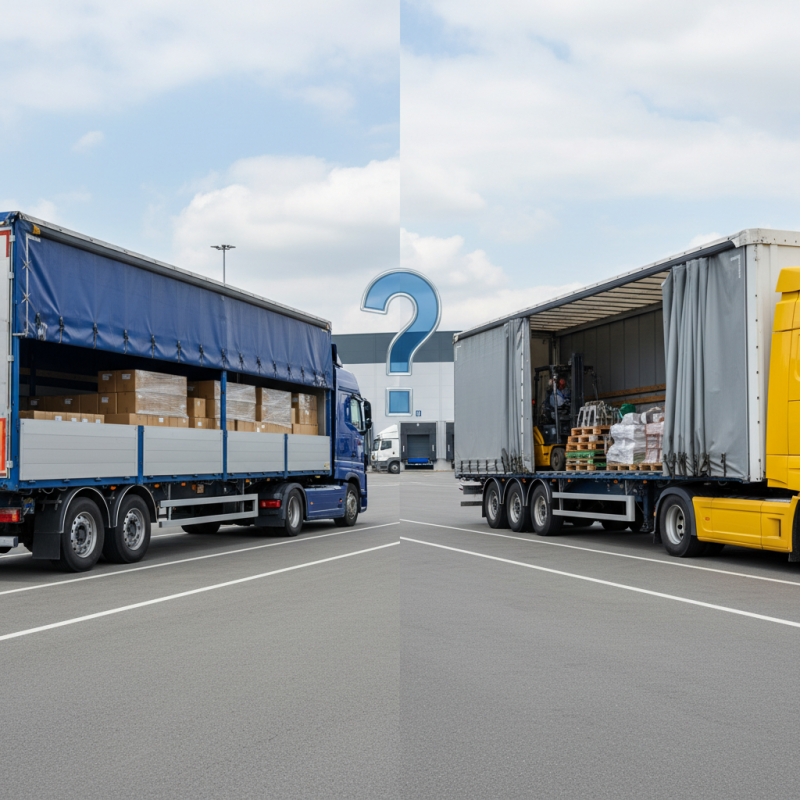
Comparison of Side-wall Trailers and Curtain-sider Trailers
When choosing between side-wall trailers and curtain-sider trailers for general cargo, consider their unique features.
Side-wall trailers have rigid walls, making them sturdy and less prone to damage. They offer a high level of security for goods.
This is crucial for fragile items, as the solid construction can prevent shifting during transport. However, loading and unloading can be challenging due to fixed sides.
In contrast, curtain-sider trailers provide flexible access. Their curtains can be opened on the side, allowing for quick loading and unloading.
This makes them ideal for heavy or bulky cargo. However, they may not offer the same protection against the elements or theft.
There is a trade-off here.
While curtain-siders are convenient, their fragile nature may worry some operators.
Both trailer types have their advantages and drawbacks. It's essential to evaluate specific shipping needs.
Factors such as cargo type, loading speed, and security requirements should influence your choice.
Sometimes, it's necessary to try both options to find what works best for your logistics chain.
This experience may refine your understanding of the best practices in trailer selection.
Key Features of Side-wall Trailers for General Cargo Transport
When it comes to transporting general cargo, side-wall trailers are often favored. These trailers offer a rigid structure, providing protection and stability during transit. They typically feature a flatbed design, which increases load capacity. According to industry reports, side-wall trailers can handle up to 30% more cargo than standard models. This efficiency can lead to cost savings for businesses in logistics.
Side-wall trailers also boast easy loading and unloading. They often come with side access doors that allow forklifts and pallet jacks to operate efficiently. This can reduce dock time significantly. Data suggests that efficient loading practices can decrease turnaround times by 15%. Companies often report improved delivery schedules due to this versatility.
However, side-wall trailers may not suit every situation. They are less flexible than curtain-siders when it comes to accessing cargo without fully unloading. This can lead to delays in certain scenarios. Consequently, evaluating specific cargo requirements is essential before choosing the right trailer type. The decision should balance efficiency and accessibility.
Advantages of Curtain-sider Trailers in Loading and Unloading Efficiency
When choosing between side-wall trailers and curtain-sider trailers for general cargo, the curtain-sider often stands out. These trailers feature flexible tarps that can be pulled sideways. This design allows for quicker loading and unloading times. For businesses focused on efficiency, this aspect is crucial.
Using a curtain-sider can reduce the time trucks spend at docks. The side access makes it easier for forklifts to maneuver. Workers can swiftly load and unload goods without the need for large machinery. However, some might argue that these trailers offer less protection against the elements. Rain or snow could pose risks to the cargo.
Additionally, curtain-siders may have vulnerabilities due to their tarp construction. They might be more prone to tears or damages. Regular maintenance is essential to ensure safety and durability. Therefore, while curtain-siders enhance loading efficiency, they come with some trade-offs. Wise decision-making involves weighing these factors carefully.
Industry Statistics: Payload Capacity of Side-wall vs Curtain-sider Trailers
When choosing between a side-wall trailer and a curtain-sider for general cargo, one critical aspect to consider is payload capacity. Side-wall trailers typically offer a higher payload due to their solid structure. This strength can be advantageous, especially for heavier items that need additional support. On the other hand, curtain-siders provide versatility with easier loading and unloading capabilities. Their design allows for quick access from the side, which can save time during transport.
Industry statistics reveal that side-wall trailers often have a payload capacity ranging from 30 to 40 tons. In contrast, curtain-siders usually cater to loads around 25 to 35 tons. Depending on the cargo type, these variances can impact your choice significantly. When selecting a trailer, think about the type of goods you frequently transport. A more robust trailer might be required for heavier shipments, while lighter loads could fit better with a curtain-sider.
Tips: Always verify your specific load requirements. Consider how often you will access the cargo. For instance, if frequent loading is necessary, a curtain-sider may be more practical. Evaluate the durability of both options. Make sure you account for potential wear and tear. Each trailer type has its advantages and drawbacks; reflecting on your needs is crucial for an informed decision.
Cost Analysis: Side-wall Trailers Versus Curtain-sider Trailers for Freight Transport
When considering the cost of freight transport, side-wall trailers and curtain-sider trailers each come with distinct financial implications. Side-wall trailers often boast a lower initial purchase price. They are sturdy and can handle heavy loads efficiently. However, their rigid design may limit unloading flexibility, increasing labor costs during operations. In contrast, curtain-siders tend to be more versatile. Their sides can open fully, facilitating quicker loading and unloading processes. This flexibility can lead to reduced turnaround times, which may translate into cost savings over time.
Maintenance is another critical aspect. Side-wall trailers, while durable, may incur higher maintenance costs over their lifespan due to more complex repairs. Conversely, curtain-siders may require less upkeep. Yet, their fabric sides can suffer damage from environmental wear, leading to unexpected repair expenses. Understanding these nuances can help logistics managers make informed decisions.
Additionally, insurance costs can vary between the two types. A side-wall trailer may be seen as more secure, potentially lowering insurance premiums. However, a curtain-sider’s ability to transport diverse cargo could appeal to insurance providers, possibly balancing out costs. Ultimately, weighing these factors is essential for any company looking to optimize their logistics budget.
Side-wall Trailer vs Curtain-sider for General Cargo: Cost Analysis
| Criteria |
Side-wall Trailer |
Curtain-sider Trailer |
| Initial Cost |
$30,000 |
$28,000 |
| Maintenance Cost (Annual) |
$2,000 |
$1,500 |
| Cargo Capacity (lbs) |
45,000 |
40,000 |
| Versatility |
Moderate |
High |
| Loading/Unloading Time |
15 mins |
10 mins |
| Weather Protection |
Good |
Excellent |
| Typical Lifespan (Years) |
10 |
8 |
FAQS
: They have rigid walls that provide sturdiness and security for transported goods.
Their solid construction prevents shifting during transport, ensuring items stay secure.
They allow for flexible side access, making loading and unloading quicker.
They may offer less protection against weather and theft compared to side-wall trailers.
Side-wall trailers usually hold 30 to 40 tons, while curtain-siders typically handle 25 to 35 tons.
If you frequently load and unload heavy or bulky items, a curtain-sider may be more practical.
Evaluate cargo type, loading speed, security needs, and durability of the trailer.
Yes, trying both can help determine which works best for your logistics needs.
Each trailer type has its strengths and weaknesses; reflecting on your specific needs is essential.
It’s crucial, as it significantly influences the choice between side-wall and curtain-sider trailers.
Conclusion
When considering the question, "Should I choose a side-wall trailer or a curtain-sider for general cargo?", it's essential to evaluate the key features and advantages of each option. Side-wall trailers are known for their robust construction and suitability for transporting various types of general cargo, allowing for reliable payload capacities. On the other hand, curtain-sider trailers excel in loading and unloading efficiency, thanks to their flexible access from the sides, making them a popular choice for operations requiring frequent and quick access to cargo.
Additionally, industry statistics indicate differences in payload capacity between the two trailer types, which can influence the decision based on specific transport needs. A thorough cost analysis will reveal that while side-wall trailers may provide durability, curtain-siders can offer savings in time and labor costs during loading and unloading. Ultimately, the choice between a side-wall trailer and a curtain-sider should be made based on the unique requirements of the cargo, operational efficiency, and budget considerations.
 IDS Auto
