IDS Auto IDS Auto

What is the Safest Method to Load a 50 Ton Excavator?

Time:2026-05-13 Author:Oliver
0%

When considering heavy machinery, the loading process is critical. Specifically, "What is the safest way to load a 50-ton excavator onto a low-bed?" is a question that demands attention. According to industry reports, over 80% of loading accidents occur due to improper techniques. This underscores the need for safe practices.

Proper weight distribution is one of the most vital aspects. The excavator's center of gravity must be balanced on the low-bed to avoid tipping. Experts recommend using chains rated for at least twice the load. Furthermore, the surface where the low-bed is positioned should be stable and level to prevent slips.

Training is another essential factor. Operators should receive thorough education on loading protocols. Despite guidelines, some operators overlook critical steps. Ensuring all personnel understand safe loading practices will decrease the likelihood of accidents. Regular inspections of both the excavator and low-bed must be conducted as well. Safety is always a priority in equipment handling.
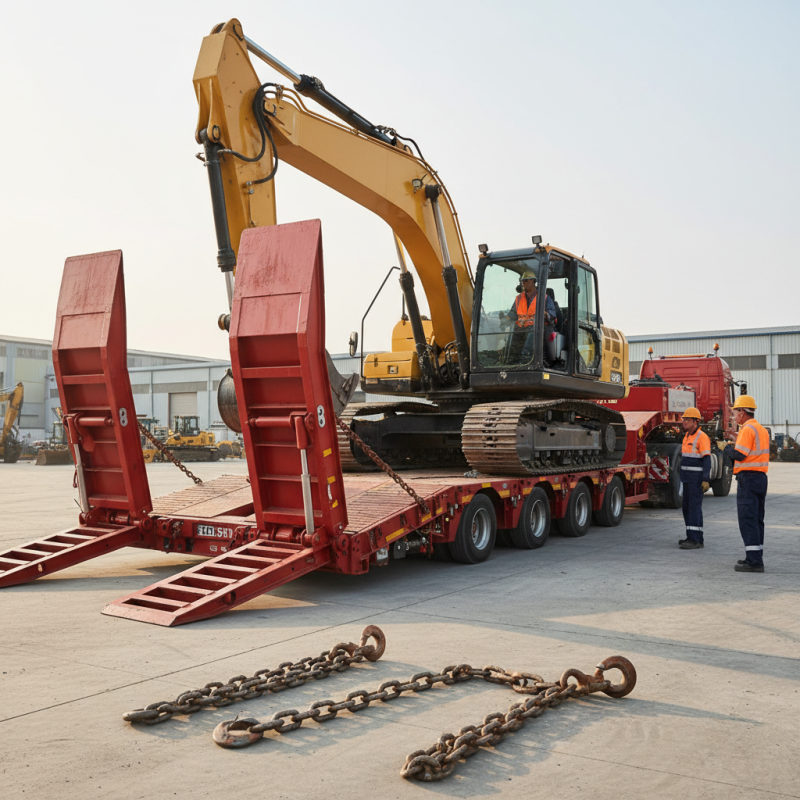
What is the Safest Method to Load a 50 Ton Excavator?

Understanding Excavator Specifications and Weight Distribution

Understanding excavator specifications and weight distribution is crucial for safely loading heavy machinery like a 50-ton excavator. The first step involves knowing the excavator’s overall weight, including attachments. This knowledge aids in determining the right balance when loading. A poor weight distribution can lead to instability during transport.

Properly securing the excavator is vital. Each machine has specific load points. If the load is not evenly distributed, the risk of tipping increases. Attention to detail is essential. Operators must always double-check the securing straps. A simple oversight can endanger not only the equipment but also personnel nearby.

In terms of load capacity, ramps should be sturdy and well-constructed. Overloading any part of the ramp may cause collapse. Operators should frequently inspect loading equipment. Regular assessments can prevent accidents. It’s also wise to practice loading with lighter machines to understand how balance and weight affect stability before moving the 50-ton excavator.

Excavator Weight Distribution

This bar chart illustrates the weight distribution of a 50-ton excavator across its three main sections: Front, Center, and Rear. Proper weight distribution is critical for safe loading and operational stability.

Preparing the Loading Area for Safe Excavator Loading

Preparing a loading area for a 50-ton excavator is crucial for safety. Proper planning helps prevent accidents and ensures efficient loading. According to industry reports, 30% of loading accidents are due to improper site preparation. Ensure the ground is level and firm to support the excavator’s weight. Wet or unstable surfaces can lead to tipping or sinking.

Clear the area of debris and obstacles. Position barriers or warning signs to keep non-essential personnel away. Allow at least 20 feet of clearance from electrical lines and other hazards. This distance minimizes the risk of electrocution or equipment damage. A safe loading zone also involves proper lighting, especially for night operations. Poor visibility increases the chances of accidents.

Regular training for operators enhances safety awareness. Studies show trained personnel are 50% less likely to engage in unsafe practices. Documentation should be maintained, detailing inspection results of the loading area. This practice reinforces compliance with safety standards. It’s essential to review and adapt loading procedures annually based on site conditions and operator feedback.

Selecting the Right Equipment for Loading a 50 Ton Excavator

Loading a 50-ton excavator requires careful equipment selection to ensure safety and efficiency. Start with a robust loading ramp designed for heavy machinery. Consider the angle of the ramp; it should maximize stability. Loading too steeply can lead to accidents. Check weight limits, and ensure compliance with regulations.

Use a reliable loader with sufficient capacity. A hydraulic loader is often recommended due to its power and ease of use. Ensure the loader has adequate attachments for stability. This allows for precise maneuvering during the loading process. Inspect the loader for wear and tear before use.

Safety gear is crucial. Operators must wear helmets, gloves, and steel-toed boots. Communication among crew members should be clear and consistent. Hand signals or radios can improve coordination. Mistakes can lead to risk; reflect on past experiences, learn, and adjust practices accordingly.

What is the Safest Method to Load a 50 Ton Excavator? - Selecting the Right Equipment for Loading a 50 Ton Excavator

Equipment Type Weight Capacity (Tons) Recommended Load Method Safety Features Operator Training Required
Hydraulic Excavator Loader 50 Ramp Loading Stability Control, Emergency Stop Yes
Heavy-Duty Flatbed Truck 60 Crane Loading Load Securement System, Overload Alarm Yes
Mobile Crane 70 Suspended Load Outriggers, Wire Rope Safeguard Yes
Container Chassis 50 Direct Loading Frame Reinforcement, Stability Indicators Yes
Forklift 50 Fork Load Load Backrest, Fork Extensions Yes

Step-by-Step Procedure for Safely Loading an Excavator

Loading a 50-ton excavator requires careful planning and execution. Begin by ensuring your loading area is flat and free from debris. Position the excavator as close to the loading platform as possible. Check the weight distribution and ensure that the excavator's center of gravity is secure. Inspect the ramps for any damage.

Tip: Always wear appropriate personal protective equipment to enhance safety. This includes helmets, gloves, and steel-toed boots.

Use a reliable loading ramp rated for the excavator's weight. Attach safety chains to secure the excavator during the loading process. It’s crucial to have an assistant guide you as you maneuver the machine onto the ramp.

Tip: Communicate clearly with your team. Hand signals can prevent accidents when noise levels are high.

After loading, check all connections before transport. An unstable load can lead to serious incidents. Remember, reviewing your procedure periodically helps improve safety measures. Reflect on past experiences to minimize risks.

Common Safety Precautions and Best Practices During Loading

When loading a 50-ton excavator, safety is paramount. Proper preparation can significantly reduce risks. Before loading, conduct a thorough inspection of the loading area. Look for debris, uneven ground, or slopes that could affect stability. Ensure your equipment, including ramps or trailers, can handle the excavator's weight.


Workers involved in the loading process must wear appropriate personal protective equipment (PPE). Hard hats, gloves, and steel-toed boots are essential. Establish communication signals among spotters and the operator. This minimizes the chance of misunderstandings during loading.


Always use proper rigging techniques. Securely attach chains or straps to dedicated lifting points. Overloading or improper fastening can lead to accidents. Monitor the load’s balance throughout the process. Unexpected shifts can cause instability. Always remain vigilant and prepared for adjustments.

FAQS

: Why is preparing the loading area important for excavators?

: Proper preparation prevents accidents and ensures efficient loading. Many loading accidents occur due to poor site conditions.

What type of ground is best for loading an excavator?

The ground should be level and firm. Wet or unstable surfaces can lead to tipping or sinking.

How much clearance is needed from electrical lines?

Maintain at least 20 feet of clearance. This distance helps minimize the risk of electrocution and equipment damage.

What should be done to ensure visibility in the loading area?

Good lighting is essential, especially for night operations. Poor visibility can increase the chances of accidents.

What personal protective equipment should workers wear?

Workers must wear hard hats, gloves, and steel-toed boots. These items help protect against potential injuries.

How can communication be improved during loading?

Establish clear communication signals. This reduces misunderstandings between spotters and the operator.

What are common issues to check in the loading area?

Look for debris, uneven ground, and slopes. These factors can affect the stability of the loading process.

What is essential when securing a load?

Always use proper rigging techniques. Secure chains or straps to designated lifting points to prevent accidents.

How can operator training impact safety?

Regular training enhances safety awareness. Trained operators are less likely to engage in unsafe practices.

Should loading procedures be reviewed regularly?

Yes, reviewing and adapting procedures annually is essential. Consider site conditions and operator feedback for improvements.

Conclusion

Loading a 50-ton excavator requires careful planning and execution to ensure safety and stability throughout the process. First, it is essential to understand the excavator's specifications and weight distribution to avoid any imbalances during loading. Preparing the loading area is crucial, as a stable and level surface helps prevent accidents. Selecting the right equipment, such as a suitable low-bed trailer and loading ramps, plays a vital role in facilitating a safe loading process.

When considering "What is the safest way to load a 50-ton excavator onto a low-bed?", following a step-by-step procedure is key. This includes ensuring that all personnel are aware of the loading sequence, securing the excavator with appropriate straps, and constantly monitoring the area for any hazards. Lastly, adhering to common safety precautions and best practices, such as wearing proper safety gear and maintaining clear communication, will significantly contribute to the overall safety of the operation.

Oliver

Oliver

Oliver is a seasoned marketing professional with a wealth of expertise in driving brand awareness and engagement. With a deep understanding of our company's product offerings, he consistently delivers high-quality content that enriches our professional blog. His insights not only shed light on......