IDS Auto IDS Auto

Top 5 Reasons Aluminum Tank Trailers Outshine Steel

Time:2026-07-06 Author:Sienna
0%

As the transportation industry evolves, many companies are evaluating their equipment choices. An ongoing debate is brewing on the superiority of aluminum tank trailers versus steel ones. Why are aluminum tank trailers becoming more popular than steel?

Aluminum trailers offer numerous benefits. They are significantly lighter than their steel counterparts. This advantage leads to better fuel efficiency and higher payload capacities. Aluminum is also resistant to corrosion, extending the trailer's lifespan. Businesses appreciate the reduced maintenance costs that result from this durability. Furthermore, aluminum tank trailers are often easier to repair compared to steel, which can rust over time.

The shift to aluminum isn’t just about weight and maintenance. Companies are also drawn to their aesthetic appeal. A modern aluminum tank trailer can enhance a company's image. However, some may question whether aluminum can match steel's strength in extreme conditions. This consideration is crucial for heavy-duty applications. Reflection on material selection is essential for any fleet manager. Ultimately, the choice between aluminum and steel boils down to specific needs and operational goals.
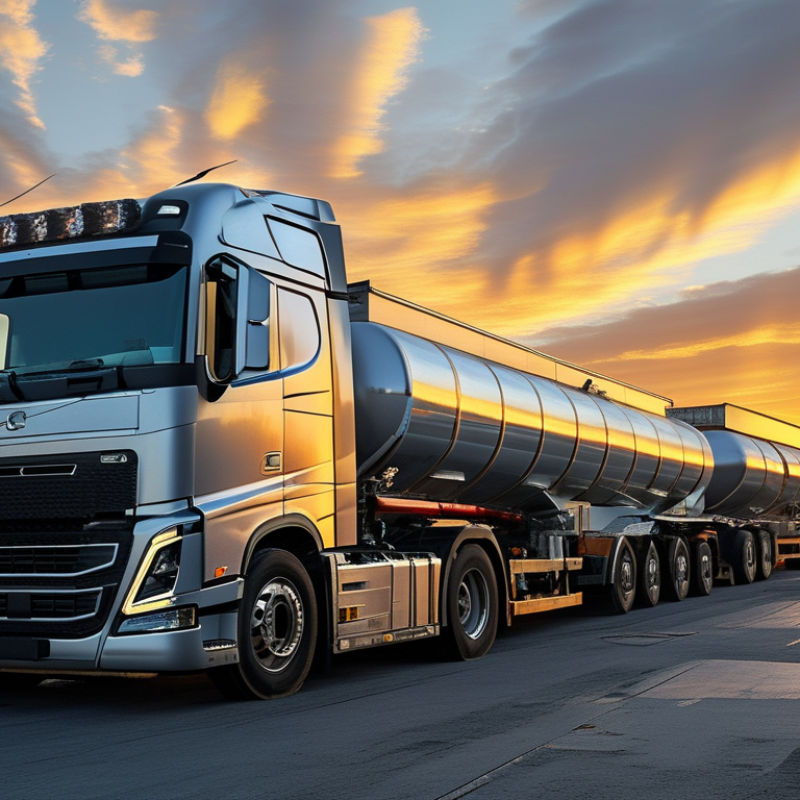
Top 5 Reasons Aluminum Tank Trailers Outshine Steel

Benefits of Aluminum Over Steel in Tank Trailers

Aluminum tank trailers offer distinct advantages over their steel counterparts. One significant benefit is the lightweight nature of aluminum. This reduced weight can lead to improved fuel efficiency for transport vehicles. With lower weight, companies can carry more cargo, increasing overall productivity. Additionally, the lighter build enhances maneuverability on the road.

Corrosion resistance is another crucial factor. Aluminum is naturally resistant to rust, which makes it ideal for transporting liquid materials. This resistance leads to lower maintenance needs over time. Steel, in contrast, often requires regular treatment or painting to prevent damage. This added upkeep can be both time-consuming and costly.

Throughout the years, industry experts have observed that aluminum trailers often retain higher resale value. This durability can make aluminum a wise investment for fleet operators. However, there are still considerations like initial cost and potential repairs that need reflection. Evaluating these factors can help operators make informed decisions that align with their operational goals.

Top 5 Reasons Aluminum Tank Trailers Outshine Steel

Weight Advantages of Aluminum Tank Trailers

Aluminum tank trailers are gaining popularity in the transportation industry. One key advantage is their weight. Reports indicate that aluminum trailers can be up to 30% lighter than their steel counterparts. This significant reduction in weight results in better fuel efficiency. For instance, lighter trailers can save approximately 1% to 2% in fuel costs per 1,000 miles.

Weight also impacts payload capacity. A lighter trailer means more room for cargo without exceeding legal weight limits. This allows operators to transport more liquid loads, enhancing productivity. According to the Department of Transportation, companies using aluminum trailers report 10-15% increased efficiency.

However, there are challenges. Aluminum doesn’t possess the same strength as steel. This can lead to concerns about durability in extreme conditions. Weather and abrasive environments can wear aluminum more quickly than steel. Decision-makers must weigh these factors carefully. Balancing weight savings against potential maintenance needs is critical for long-term viability.

Corrosion Resistance: Aluminum vs. Steel

Corrosion is a significant concern for tank trailers. When comparing aluminum and steel, aluminum stands out due to its superior corrosion resistance. According to the Aluminum Association, aluminum has a life expectancy of over 50 years in adverse conditions. In contrast, steel can rust quickly if not properly coated, often requiring more frequent maintenance.

Aluminum does not rust, which means it doesn’t lose structural integrity over time. This characteristic can lead to reduced operational costs and improved safety. A study by the National Association of Corrosion Engineers indicates that corrosion can lead to up to 30% loss in a steel trailer's lifespan.

Tip: Regular inspections are essential. Even aluminum trailers can develop corrosion under certain conditions.

Another factor is weight. Aluminum is lighter than steel, which enhances fuel efficiency. With transportation cost margins tightening, every drop in weight translates to savings.

Tip: Consider your specific needs. In some scenarios, steel might still be a right choice, depending on the application.

In conclusion, while both materials have their merits, aluminum consistently proves advantageous against corrosion. Understanding these differences can aid in making informed decisions for your fleet.

Top 5 Reasons Aluminum Tank Trailers Outshine Steel - Corrosion Resistance: Aluminum vs. Steel

Criteria Aluminum Tank Trailers Steel Tank Trailers
Corrosion Resistance Excellent: Does not rust and is naturally resistant to corrosion. Moderate: Prone to rust if not properly maintained and coated.
Weight Lighter: Easier to handle and more fuel-efficient. Heavier: Increased weight affects fuel consumption.
Maintenance Costs Lower: Reduced maintenance due to lack of rust. Higher: Regular maintenance required to prevent corrosion.
Longevity Longer Lifespan: Can last up to 3 times longer than steel. Shorter Lifespan: Typically requires replacement sooner due to rust issues.
Resale Value Higher: Retains value better in the used market. Lower: Value drops faster due to wear and tear from rust.

Cost Efficiency and Longevity of Aluminum Trailers

Aluminum tank trailers have become a popular choice due to their cost efficiency and longevity. Unlike steel trailers, aluminum ones are lighter, leading to improved fuel efficiency. This reduction in weight can translate to significant cost savings over time. Many users find that the lower operating costs often outweigh the initial purchase price.

Longevity is another factor to consider. Aluminum is resistant to corrosion, unlike steel, which can rust over time. This resistance leads to a longer lifespan for aluminum trailers, making them a smart investment. However, not all aluminum trailers are created equal. It’s essential to research and select the right construction standards to ensure quality.

While aluminum trailers show clear advantages, they can be more expensive up front. Some businesses hesitate to invest initially, fearing they won't recover costs quickly. It’s important to analyze the long-term benefits. This includes thinking about maintenance and replacement costs over the trailer’s lifespan. Working with knowledgeable professionals in this industry can alleviate concerns and guide wise purchasing decisions.

Design Flexibility and Customization in Aluminum Trailers

Aluminum tank trailers are increasingly popular due to their design flexibility. Unlike steel, aluminum allows for various configurations tailored to specific needs. Manufacturers can customize tank shapes and sizes, optimizing space and increasing efficiency. This versatility caters to different transportation requirements, whether for liquids or gases.

Moreover, the lighter weight of aluminum contributes to increased payloads. A well-designed aluminum tank can enhance fuel efficiency and lower operational costs. However, custom designs can pose challenges. It requires careful engineering to ensure safety and functionality. Potential buyers should consider the experience and qualifications of the manufacturer. Researching past projects can reveal insights into their expertise.

There is also an emphasis on durability. Aluminum is resistant to corrosion, yet it may require more frequent inspections for structural integrity. Unlike steel, which is generally more robust, aluminum can sometimes be vulnerable to dents and scratches. A thorough understanding of material properties is essential for maintaining performance and safety standards. This complexity highlights the need for continual evaluation and adaptation.

FAQS

: What is a primary advantage of aluminum tank trailers?

: Aluminum tank trailers are lighter than steel, improving fuel efficiency for transport vehicles.

How does aluminum's corrosion resistance compare to steel?

Aluminum is naturally resistant to rust, while steel requires regular maintenance to prevent corrosion damage.

Why might aluminum trailers have a higher resale value?

Their durability and lower maintenance needs can contribute to a higher resale value compared to steel trailers.

What should fleet operators consider when choosing materials?

Operators should reflect on initial costs, maintenance, and long-term operational goals when evaluating aluminum versus steel.

How long can aluminum trailers last under adverse conditions?

Aluminum can last over 50 years without significant loss of structural integrity due to corrosion.

Are all aluminum trailers the same in quality?

No, it’s crucial to research construction standards to ensure quality in aluminum trailers.

What is a common misconception about the initial cost of aluminum trailers?

Some businesses fear they won't recover the initial investment quickly, overlooking long-term savings on maintenance.

How does the weight of a trailer affect operating costs?

Lighter trailers lead to better fuel efficiency, resulting in lower overall operating costs.

Can aluminum trailers still develop issues?

Yes, while resistant to corrosion, aluminum trailers can develop issues under certain conditions, so regular inspections are essential.

When might steel trailers be a better choice?

In specific applications, steel might still be appropriate, depending on individual operational needs.

Conclusion

Aluminum tank trailers are gaining popularity over their steel counterparts for several compelling reasons. Firstly, the weight advantages of aluminum significantly enhance fuel efficiency and payload capacity, enabling transport businesses to maximize their operations. Secondly, aluminum exhibits superior corrosion resistance, which prolongs the lifespan of trailers and reduces maintenance costs. This durability makes aluminum a more cost-effective option in the long run.

Additionally, the design flexibility and customization options available with aluminum trailers allow for tailored solutions that meet specific industry needs. Overall, these factors contribute to the growing question, "Why are aluminum tank trailers becoming more popular than steel?" As industries seek to optimize performance and reduce expenses, aluminum tank trailers are emerging as the preferred choice.

Sienna

Sienna

Sienna is a skilled marketing professional with a deep expertise in our company’s core products and services. With a passion for innovation and detail, she plays a pivotal role in crafting insightful blog posts that not only highlight the unique features of our offerings but also provide valuable......