IDS Auto
When considering the purchase of a used truck, understanding its condition is crucial. A common concern remains hidden rust in the chassis. Rust can compromise the integrity and longevity of a vehicle. Therefore, knowing how to check for hidden rust in a used truck’s chassis is essential for any serious buyer.
Inspecting for rust requires a keen eye and some experience. Begin by looking beneath the truck. Use a flashlight to illuminate difficult areas. Pay attention to seams and joints, as these are common rust-collecting spots. It is also beneficial to consult a mechanic with expertise in vehicles. They can identify subtle signs of rust that may be missed by an untrained eye.
Remember, not all rust is visible at first glance. Some may lurk beneath paint or surface coatings. If you find suspicious areas, be prepared to dig deeper. Use a screwdriver to probe softer spots. Take note of any flaking or crumbling areas. This process might be daunting, but it ensures you invest wisely in a reliable truck.
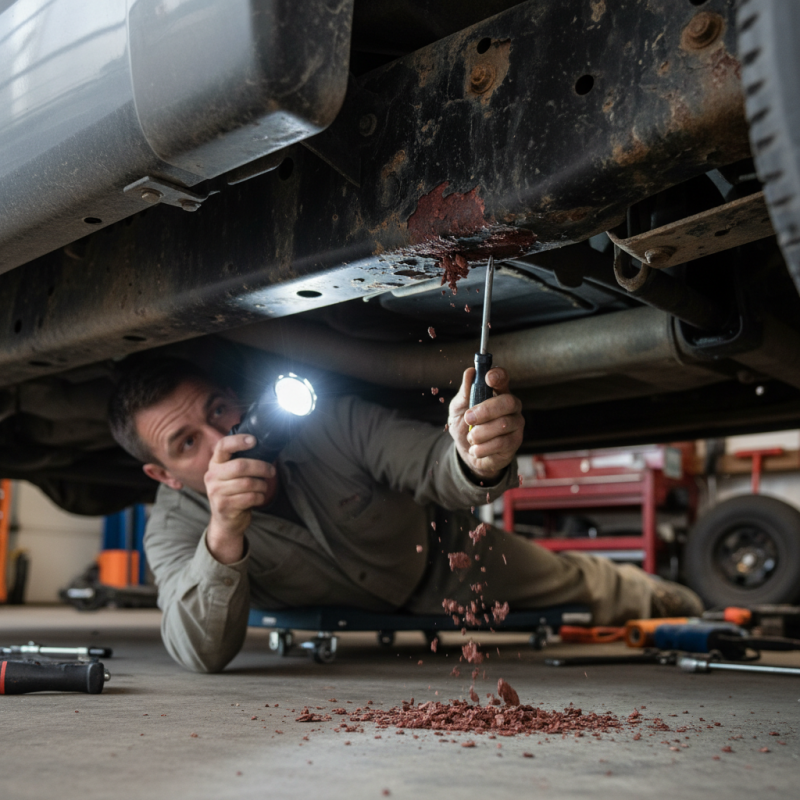
When purchasing a used truck, inspecting the chassis for hidden rust is crucial. Rust can compromise structural integrity, leading to costly repairs. Reports indicate that nearly 50% of used trucks show significant rust issues. Understanding where to look is essential for buyers.
Common areas to inspect include the frame, wheel wells, and undercarriage. The risk of hidden rust increases in regions with harsh winters or heavy rainfall. Even minor rust spots can expand, causing severe damage over time. Use a flashlight to examine hard-to-reach spots. Pay attention to areas where dirt and moisture accumulate.
Investing in a professional inspection may save significant money in the long run. A thorough examination can reveal underlying rust not visible at first glance. Buyers should be aware that neglected maintenance can exacerbate rust problems. Knowing the vehicle's history helps gauge its potential issues. Be vigilant; hidden rust can become a major headache, affecting safety and performance.
When inspecting a used truck chassis for hidden rust, it’s crucial to focus on specific areas prone to corrosion. The undercarriage is often a hotspot. Road salt and moisture accumulate here, creating a perfect environment for rust. Look closely at the frame rails and cross members. These parts can develop rust from contact with water and dirt.
Another common area for hidden rust is around the wheel wells. Mud and debris can get trapped in these spaces, leading to rust formation. Inspect the inner fenders and splash shields carefully. Also, check the connection points of the suspension. The joints can trap moisture, making them susceptible to rust over time.
Don't overlook the fuel tank and battery tray. Any signs of corrosion here can indicate larger issues. Look for discoloration and flaking paint. Also, remember that rust may not always be visible. It could be hiding beneath layers of paint or under protective coatings. Always take your time during inspections. A thorough check can prevent unexpected repairs later on.
When assessing a used truck chassis, hidden rust can be a covert issue that compromises structural integrity. Key tools for effective rust detection include a flashlight and a magnetic wand. Use the flashlight to illuminate hard-to-see areas, focusing on joints and undercarriages. The magnetic wand helps identify rusted spots; if it fails to stick, rust may be present.
A thorough visual inspection is crucial. Check for bubbling paint or discoloration, signs of hidden corrosion. Scrape the surface gently in suspicious areas. This technique often reveals rust lurking beneath the surface. Additionally, consider using a moisture meter. This tool can help detect trapped moisture, which often contributes to rust growth. It’s a simple yet effective way to understand the condition of the chassis.
Sometimes the signs can be elusive. You may need to bend down and inspect every nook. Don’t overlook areas like wheel wells and frame supports. Patience is vital. Rushing through the inspection can lead to missing crucial details. In the end, a careful approach and the right tools are essential for identifying hidden rust in a used truck chassis.
When inspecting a used truck chassis, visual cues can reveal hidden rust. Look closely at areas where moisture can accumulate. These spots often include joints, seams, and undercarriages. Check for flaking paint or discoloration around these areas. According to a report by the National Institute of Standards and Technology, 30% of vehicles show some form of corrosion by their fifth year.
Pay attention to both surface and structural conditions. Surface rust can appear as a reddish-brown stain but may not immediately compromise the integrity of the vehicle. Structural rust, however, can be more insidious. It might not be visible until significant damage occurs. Inspect crossmembers and suspension parts carefully. A 2022 Automotive Research study found that nearly 40% of used trucks had structural rust that went unnoticed during initial inspections.
Don't limit the inspection to just what’s visible. Sometimes, rust hides beneath layers of dirt or paint. Use tools like a magnet to detect areas that may have compromised structure. Be aware that rust tends to grow in cold, humid climates, often leading to faster deterioration than expected. Knowledge about location and exposure is key. Ignoring these details can lead to costly repairs down the line. Always approach the inspection process with a critical eye.
When assessing a used truck, identifying hidden rust is crucial. Rust can significantly impact the vehicle’s structural integrity. In fact, a 2022 report by the Automotive Safety Council revealed that nearly 70% of used trucks develop some rust issues. This is alarming, especially for buyers relying on the vehicle for work.
Sometimes, it's challenging to identify rust without proper tools and training. Many buyers lack the expertise to spot early signs of corrosion. Hidden rust can develop in hard-to-reach areas such as frame rails and underbody sections. This can lead to costly repairs down the line. If you notice unusual discoloration, or flaking paint, it’s time to act.
Seeking professional help can prevent potential disaster. Certified mechanics have the tools to perform thorough inspections. They often use ultrasonic testing to detect rust below the surface. Additionally, reports indicate that 50% of buyers who opted for professional assessment saved money on repair costs. Trusting experts may seem like an extra expense, but it can be a worthy investment. Ignoring rust issues could lead to catastrophic failures.
| Assessment Method | Description | Signs of Hidden Rust | Recommended Action |
|---|---|---|---|
| Visual Inspection | Look for visible rust on the chassis and surrounding areas. | Discoloration, brown spots, or flaking paint. | Consider a professional evaluation for in-depth inspection. |
| Magnetic Test | Use a magnet to check for rust beneath the surface. | Weak magnetic attraction may indicate rust inside. | Consult a professional for a thorough examination. |
| Sound Test | Tap the chassis in various spots to identify hollow sounds. | Dull or hollow sounds can indicate rust. | Seek professional help for structural assessment. |
| Underbody Inspection | Examine the underbody and components regularly. | Visible corroded area and excessive dirt buildup. | Hire a professional for deep cleaning and rust remediation. |
: A flashlight and a magnetic wand are key tools for rust detection.
Focus on hard-to-see areas like joints and undercarriages during your inspection.
If the wand fails to stick, it may indicate the presence of rust.
Hidden rust may show as bubbling paint or discoloration. Always check these signs carefully.
Yes, it detects trapped moisture that contributes to rust growth in the chassis.
Inspect wheel wells, frame supports, and other nooks carefully.
If you notice flaking paint or unusual discoloration, it's wise to seek an expert.
Professionals use advanced tools and often detect rust unseen to the layperson.
Yes, many save on repairs by having a professional evaluation done first.
Missing details can lead to overlooking significant rust problems, resulting in costly repairs.
When considering the purchase of a used truck, understanding how to check for hidden rust in a used truck’s chassis is crucial. Rust can significantly affect the vehicle's integrity and longevity, making early detection essential. Start by inspecting common areas such as the undercarriage, wheel wells, and frame joints where moisture can accumulate and lead to corrosion. Utilizing tools like a magnet or a flashlight can help identify both surface and structural rust during your inspection.
Moreover, it's vital to perform a thorough visual check, looking for flaking paint, rust coloration, or any unusual coatings that may suggest underlying issues. If your findings are concerning or if the rust appears extensive, seeking professional help for a comprehensive rust assessment may be prudent. Addressing rust early on can save you from extensive repair costs and ensure the truck remains safe and reliable.
