IDS Auto
In the world of bulk powder transport, efficiency is crucial. One common issue faced by operators is a slow discharge rate in bulk powder tankers. This problem can impact schedules and increase operational costs. So, how to troubleshoot a slow discharge rate in a bulk powder tanker? Understanding the underlying causes is essential.
Several factors can contribute to this issue. Blockages in the discharge system, incorrect air pressure, or even the design of the tank can be culprits. Each situation requires a careful assessment to identify the root cause. Failing to address these problems can lead to significant delays and financial losses. Operators often overlook minor details. However, these can make a big difference in performance.
Finding solutions may seem daunting at times. It requires a blend of practical experience and technical know-how. Professionals in the industry must remain vigilant and adapt their strategies. By analyzing and refining their processes, they can ensure smoother operations. It's essential to approach these challenges with a mindset geared towards improvement and learning.
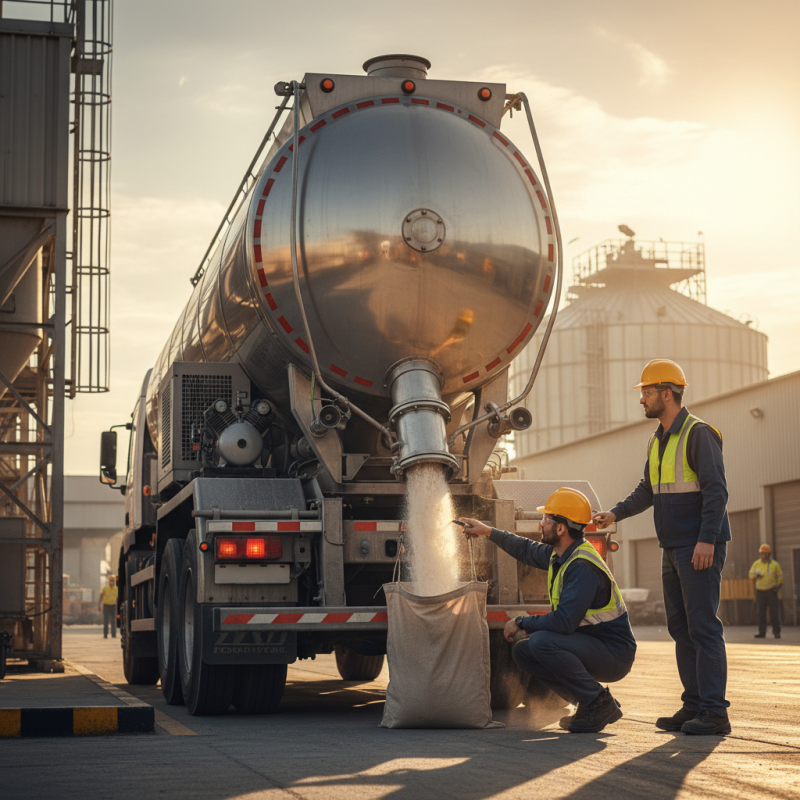
Understanding the factors influencing discharge rates in bulk powder tankers is essential for optimizing operations. The type of powder affects how quickly it can flow. For instance, fine powders often discharge slowly due to their cohesive properties. In contrast, coarser materials usually have better flow characteristics. According to industry reports, improving discharge rates can enhance efficiency by up to 30%.
The design of the discharge system is also critical. Factors like the angle of the discharge cone and the size of the outlet significantly impact flow rates. Data shows that a well-designed tank can reduce discharge time by 15%. However, issues such as blockages can slow down operations. Regular maintenance and monitoring are necessary to prevent these problems.
Another aspect to consider is the moisture content of the powder. Increased moisture can lead to clumping, which further hinders discharge efficiency. Studies suggest that even a minor increase in moisture can result in a 20% reduction in flow rates. It’s important to balance storage conditions to maintain optimal powder characteristics. Recognizing these factors can lead to more effective discharge processes and reduce operational delays.
Slow discharge rates in bulk powder tankers can significantly hinder operations. It's essential to identify the common causes of these delays for efficient handling. One primary issue could be the material itself. Certain powders tend to pack tightly or form clumps due to moisture or improper storage. This can lead to slower flow rates during discharge.
Maintaining proper equipment is crucial. A clogged or poorly designed discharge system can create bottlenecks. Regular inspection of hoses, valves, and air blowers can prevent these issues. If you notice an unusual buildup, it’s time to investigate.
Tips: Ensure your powder is stored in a low-humidity environment. This simple change can improve discharge rates. Consider using vibration or aeration techniques to promote better flow. It may also help to test different discharge angles for effectiveness.
Another factor often overlooked is operator training. Inexperienced personnel might not follow optimal procedures, leading to inefficiencies. Regular training sessions can help keep everyone updated on best practices and common pitfalls. Small adjustments in operation can yield significant improvements in discharge rates.
The discharge efficiency of bulk powder tankers largely depends on particle size. Smaller particles tend to flow more smoothly. However, they can also lead to issues like clogging. In contrast, larger particles generally discharge faster but might not pack as efficiently.
Understanding how these different sizes behave in tanks can improve efficiency. Cargo flow is significantly affected by the interaction between particles. For example, angular particles may interlock, slowing down discharge. Streamlined particles often promote better flow, but they can also be prone to segregation.
Tips: Regularly evaluate your bulk tanker’s particle size distribution. Experiment with additives or change the unloading techniques. Pay attention to how these adjustments impact discharge time. Small changes can lead to significant improvements in performance. Ensure your team is trained on the importance of particle behavior in tankers to improve overall efficiency.
| Particle Size (µm) | Discharge Rate (tons/hour) | Discharge Efficiency (%) | Operational Issues |
|---|---|---|---|
| 5 | 50 | 85 | Clogging |
| 10 | 70 | 90 | None |
| 50 | 100 | 95 | Low Flow |
| 100 | 120 | 92 | None |
| 200 | 80 | 80 | Delayed Start |
The discharge rate in bulk powder tankers is a critical metric for efficiency. Implementing technological solutions can significantly enhance this rate. Recent industry reports indicate that optimizing pneumatic systems can increase discharge efficiency by up to 30%. Systems that use compressed air to fluidize powders can reduce friction and enhance flow rates. However, many companies do not fully utilize these systems, leaving potential improvements untapped.
Moreover, data suggests that the integration of digital monitoring tools can identify bottlenecks in real-time. For instance, sensors can track discharge rates, temperature, and pressure throughout the process. Early detection of issues allows for immediate intervention, preventing costly downtime. Yet, many tankers still operate without these updates, reflecting a gap in current practices. Regular maintenance also plays a vital role; surprisingly, it is often overlooked, leading to slower discharge rates.
Operators are increasingly recognizing the need for training on these technologies. A study found that 40% of personnel do not understand how to effectively implement new tools. This lack of knowledge stifles innovation and efficiency. Correctly addressing this knowledge gap could mean the difference between a standard discharge performance and an optimized operation. As technology evolves, embracing these changes is essential for maintaining competitiveness in the bulk powder industry.
Bulk powder tankers play a crucial role in the logistics of diverse industries. Adopting best practices for their maintenance and operation can greatly enhance efficiency. According to a recent industry report, nearly 30% of discharge delays stem from inadequate maintenance of discharge systems. Regularly inspecting pneumatic systems and valves can prevent these bottlenecks, ensuring smooth operations.
Operational practices also significantly affect discharge rates. Utilizing proper loading techniques and avoiding over-packing can improve flow characteristics. The flowability of powders varies widely. For instance, cohesive materials may require specific handling to optimize their discharge. Data shows that poorly managed powder discharge rates can lead to costly downtime, affecting supply chains. Engaging operators in training sessions emphasizes the importance of these standards.
Awareness of environmental conditions is essential too. For example, humidity can impact powder characteristics, leading to clogging issues. Sensors that monitor temperature and moisture content can alert operators before problems arise. An industry survey revealed that proactive monitoring could reduce discharge anomalies by 25%. This demonstrates the need for ongoing evaluation and adjustment of operational methods and equipment.
: Slow discharge may be due to powder packing tightly or clumping from moisture.
Clogged discharge systems can create bottlenecks. Regular inspections are necessary to avoid these issues.
Storing powder in a low-humidity environment can enhance flow.
Vibration and aeration techniques can promote better discharge rates.
Inexperienced operators may not follow proper procedures, leading to inefficiencies.
Optimizing pneumatic systems can improve discharge efficiency significantly.
They identify bottlenecks in real-time, allowing for immediate interventions.
Neglecting maintenance often leads to slower discharge rates.
Many personnel lack understanding, which stifles innovation and efficiency.
Embracing technological changes and regular training is essential for efficiency.
The article "How to Fix Slow Discharge Rate in Bulk Powder Tankers?" provides a comprehensive guide on addressing issues related to the discharge rates of bulk powder tankers. It begins by exploring the various factors that influence discharge rates, including the common causes of slow discharge, such as equipment malfunctions or improper handling techniques. One critical aspect discussed is the impact of particle size on discharge efficiency, emphasizing that larger particle sizes can lead to increased resistance and slower flow rates.
To effectively tackle the problem of slow discharge, the article outlines several technological solutions that can be implemented to improve discharge efficiency. Additionally, it highlights best practices for the maintenance and operation of bulk powder tankers, ensuring optimal performance. Ultimately, this guide serves as a valuable resource for those asking, "How to troubleshoot a slow discharge rate in a bulk powder tanker?" by providing actionable insights and strategies for effective resolution.
