IDS Auto IDS Auto

How to Fix Refrigerated Trailer That Fails to Maintain Temperature?

Time:2026-05-07 Author:Aria
0%

Refrigerated trailers are vital in transporting perishable goods. However, issues can arise that compromise their efficiency. One common query is, "Why is my refrigerated trailer failing to maintain the set temperature?" This issue can lead to significant product loss, impacting both finances and reputation. According to industry data, improper temperature control leads to an annual waste of approximately $35 billion in the food supply chain.

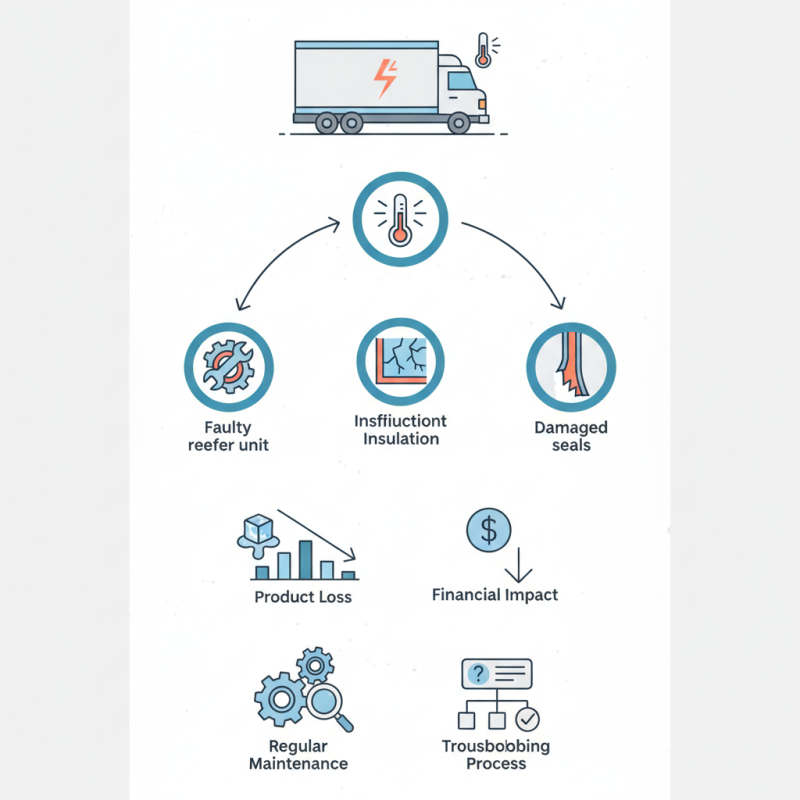
Understanding potential causes is crucial. Factors such as faulty reefer units, insufficient insulation, or damaged seals can contribute to temperature inconsistencies. A study from the National Center for Food Safety and Technology highlighted that even slight temperature fluctuations can shorten product shelf life. Regular maintenance and checks are essential, yet many operators overlook simple issues, leading to more significant problems down the line.

When faced with temperature control failures, it's important to assess equipment performance and operational practices critically. Identifying the root cause requires both experience and a methodical approach to troubleshooting. This process can be daunting, but addressing the issues head-on will enhance reliability in the long run.
How to Fix Refrigerated Trailer That Fails to Maintain Temperature?

Identify Common Causes of Temperature Failure in Refrigerated Trailers

When dealing with a refrigerated trailer that fails to maintain temperature, identifying the common causes is crucial. Poor insulation can significantly impact the cooling efficiency. Check for any cracks or damages in the trailer's walls. Inspect sealants around doors, as even small gaps can allow warm air to enter.


Another reason for temperature fluctuations could be a malfunctioning refrigeration unit. Regular maintenance is essential to ensure that the system operates correctly. Listen for unusual noises, which could indicate underlying issues. Keep an eye on the coolant levels. Low levels may lead to insufficient cooling, affecting your cargo.


Tips for troubleshooting include monitoring the temperature regularly. A simple thermometer can help you catch problems early. Avoid overloading the trailer, as this strains the cooling system. Lastly, consider environmental factors that may impact performance, such as outdoor temperatures and airflow around the trailer. Recognizing these issues can help you maintain a reliable temperature inside your refrigerated trailer.

Inspect Refrigeration Units for Mechanical or Electrical Issues

Inspecting refrigeration units for mechanical or electrical issues is critical for maintaining the right temperature in refrigerated trailers. Start by checking the compressor. A malfunctioning compressor can cause significant temperature fluctuations. Listen for unusual noises or check for overheating. These signs indicate possible mechanical failure.

Next, examine the electrical components. Loose or damaged wiring can disrupt power supply. Look for frayed wires or signs of corrosion. Ensure all connections are secure. Inspect the relay switches; faulty relays can prevent the system from starting or operating correctly.

Don’t overlook the temperature sensors. If they are inaccurate, the unit won’t maintain the desired settings. Testing these sensors can reveal issues. Review the refrigerant levels in the system too. Low refrigerant can lead to inadequate cooling. Regular inspections and appropriate maintenance can improve the reliability of refrigerated trailers. However, some issues may remain hidden, so staying vigilant is essential.

Check Insulation and Seals for Damage or Deterioration

Refrigerated trailers play a critical role in the cold chain logistics sector. A failure to maintain the required temperature can lead to significant financial losses. One major issue is often overlooked: the condition of insulation and seals. Regular checks for damage or deterioration can prevent emergency repairs and unexpected spoilage of goods.

Insulation materials typically need replacement every 5-10 years, according to industry data. Even the smallest cracks in seals can lead to substantial temperature fluctuations. A study from the Department of Transportation showed that properly functioning insulation can reduce energy costs by up to 30%. This highlights the importance of conducting routine inspections to ensure efficiency.

In practice, cultivating a keen eye for minor irregularities can make a difference. Look for gaps where air can escape. Even minor wear and tear can escalate quickly. Neglecting these elements could result in heat infiltration. This deteriorates the internal environment, leading to spoilage. Over time, this can compound losses and disrupt supply chains. Regular maintenance checks should focus on these critical areas for improved performance.

Temperature Maintenance Issues in Refrigerated Trailers

Test and Calibrate Temperature Control Systems

Refrigerated trailers are crucial for transporting temperature-sensitive goods. When these trailers fail to maintain the required temperature, it can lead to spoilage and significant financial losses. Testing and calibrating temperature control systems is essential for ensuring they function correctly.

To begin, check the thermostat settings. Ensure they align with the desired temperature. Sometimes, manufacturers' settings are not optimal for specific loads. Adjusting them may require trial and error. Regular calibration of these settings prevents unexpected temperature fluctuations.

Tips: Always monitor the temperature readings regularly. Keeping a log of temperatures during transport can reveal patterns. If abnormalities appear, address them promptly. Additionally, inspect the sensor placement. Sensors placed too close to cooling vents may give inaccurate readings. Regular maintenance can also uncover hidden issues. Look for signs of wear and tear in the cooling system.

It’s essential to remember that no system is perfect. Occasionally, external factors impact performance beyond the trailer's control. Road conditions and ambient temperatures may vary. Reflect on these elements and adjust your testing methods accordingly. This proactive approach minimizes risks and enhances efficiency in transporting perishable goods.

How to Fix Refrigerated Trailer That Fails to Maintain Temperature? - Test and Calibrate Temperature Control Systems

Test/Calibration Method Description Recommended Frequency Notes
Thermometer Calibration Check and adjust thermometer accuracy against a standard. Monthly Ensure the thermometer is calibrated within the operating range.
Temperature Control System Test Evaluate the response time of temperature control settings. Quarterly Adjust settings based on performance data.
Refrigeration System Leak Check Inspect for refrigerant leaks in the system. Bi-Annually Repair any leaks to maintain efficiency.
Insulation Inspection Check insulation integrity around the trailer. Annually Replace damaged insulation materials.
Airflow Assessment Ensure proper airflow throughout the refrigerated area. Monthly Clear any obstructions to airflow.

Implement Regular Maintenance Practices to Prevent Future Failures

Maintaining proper temperature in refrigerated trailers is crucial for transporting perishable goods. Regular maintenance can significantly reduce the risk of system failures. According to the Food and Drug Administration (FDA), temperature control issues account for approximately 25% of food spoilage during transport. Implementing a rigorous maintenance schedule can help avoid these costly losses.

Experts recommend checking coolant levels monthly. Neglecting this can lead to inefficient cooling and system strain. Regular cleaning of condenser coils also plays a vital role. Dirty coils can reduce efficiency by up to 30%, as shown in various industry reports. Observing door seals for wear can prevent cold air leaks. This small oversight can result in increased energy costs and temperature fluctuations.

Training staff on routine checks is essential. Many operators overlook the importance of documentation. Maintaining records can identify patterns of equipment failure over time. Addressing minor issues before they escalate saves money and extends equipment life. A proactive approach fosters reliability, ensuring products arrive at the right temperature.

FAQS

: Why is it important to inspect refrigeration units?

: Inspecting refrigeration units prevents temperature fluctuations. This maintains the right conditions for perishable goods.

What should I check first when inspecting?

Start with the compressor. Listen for unusual noises and check for overheating. These signs indicate possible failure.

How can electrical issues affect refrigeration units?

Loose or damaged wiring disrupts power supply. Check for frayed wires or corrosion. Secure connections are essential.

What role do temperature sensors play?

They help maintain desired settings. Inaccurate sensors lead to improper cooling, so testing them is crucial.

How often should coolant levels be checked?

Coolant levels should be checked monthly. Neglect can lead to inefficient cooling and additional strain on the system.

What maintenance practices can prevent future failures?

Regular cleaning of condenser coils is vital. Dirty coils can reduce efficiency substantially, affecting temperature control.

How can door seals impact refrigeration efficiency?

Worn door seals can lead to cold air leaks. This oversight increases energy costs and causes temperature fluctuations.

Why is staff training important in maintenance?

Staff should know how to perform routine checks. Documentation of issues helps identify patterns and prevent costly failures.

What are the consequences of neglecting maintenance?

Neglect can lead to system failures and spoilage. Addressing minor issues early saves money and extends equipment life.

What should I do if problems recur despite maintenance?

If issues persist, further inspection is needed. Some problems may remain hidden, so staying vigilant is essential.

Conclusion

When encountering the issue of "Why is my refrigerated trailer failing to maintain the set temperature?", it is essential to systematically identify the root causes. Common issues often stem from mechanical or electrical failures in the refrigeration units themselves. Regular inspections can reveal these problems, as well as any damage to insulation or seals that may compromise temperature control.

Once potential sources of failure are identified, checking and calibrating the temperature control systems is crucial to ensure accurate readings and performance. Additionally, implementing regular maintenance practices can greatly reduce the likelihood of future temperature failures. By adhering to a thorough inspection and maintenance schedule, trailer owners can enhance the longevity and reliability of their refrigerated units, ensuring consistent temperature control and food safety.

Aria

Aria

Aria is a dedicated marketing professional with a deep passion for innovative strategies and a keen understanding of our company's product offerings. With a wealth of experience in the industry, Aria excels at crafting engaging content that highlights the unique features and benefits of our......