IDS Auto IDS Auto

10 Essential Tips to Fix Hydraulic Leak on Dump Semi-Trailer?

Time:2026-03-20 Author:Liam
0%

Fixing a hydraulic leak on a dump semi-trailer mid-lift can be challenging. When faced with this issue, it's vital to act quickly. A leak can lead to more significant problems and downtime. Understanding the sources of leaks is essential. Common culprits include worn seals, loose fittings, or damaged hoses.

Knowing how to fix a hydraulic leak on a dump semi-trailer mid-lift ensures safety and efficiency. Identifying the exact location of the leakage is critical. Inspect the hydraulic system carefully and note any signs of fluid loss. This insight will help in the repair process. Attention to detail cannot be overstated.

Prepare your workspace and gather necessary tools before starting. Sometimes, the right tools make all the difference in repairs. While you might have some experience, unexpected challenges could arise. Be ready to adapt and think critically about the best solutions.
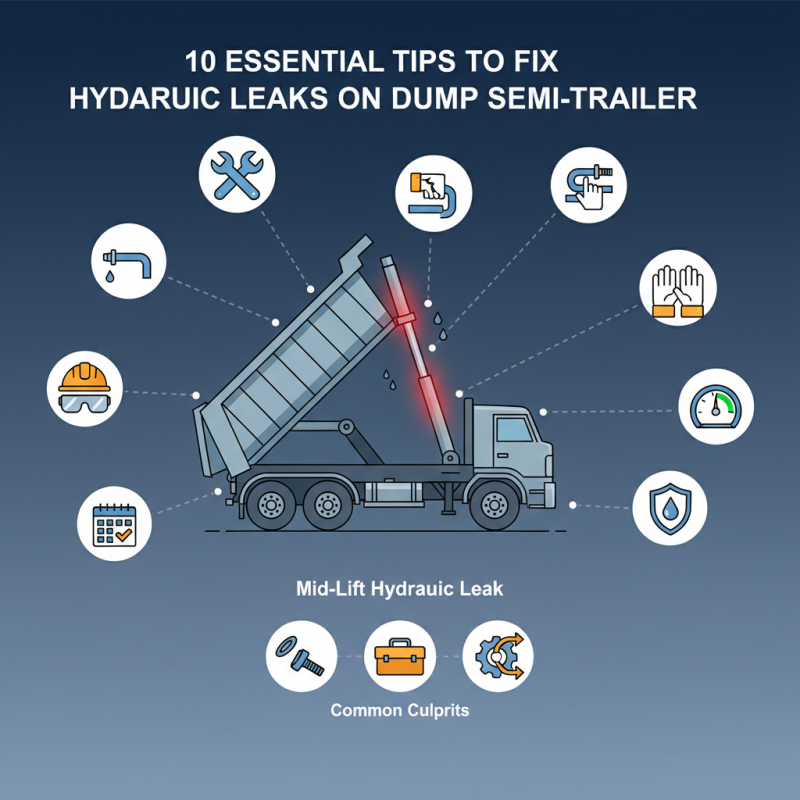
10 Essential Tips to Fix Hydraulic Leak on Dump Semi-Trailer?

Identifying Common Causes of Hydraulic Leaks in Dump Semi-Trailers

Hydraulic leaks in dump semi-trailers can disrupt operations and lead to costly repairs. Identifying the causes is crucial for quick fixes. Common causes include worn seals, loose fittings, and damaged hoses. Over time, heat and vibration can take a toll. Inspect regularly to catch potential issues early.

One practical tip: always check the hydraulic fluid level. Low levels often point to leaks. Another tip is to tighten any loose fittings. Don’t ignore this; it may seem minor, but it’s a frequent culprit. Keep your hoses in check too. Look for cracks or bulges. These are signs of wear that need attention.

Always clean the area around potential leaks. This helps in early identification and also keeps the workspace safe. Don’t forget to document your findings. Sometimes, repeated issues can signal a bigger problem. Regular maintenance is key. It’s not just about fixing a leak; it’s about improving overall safety and efficiency.

10 Essential Tips to Fix Hydraulic Leak on Dump Semi-Trailer

Tip Description Common Causes
1. Inspect Hoses Check for visible wear or damage on hydraulic hoses. Cracks, abrasions, or improper routing.
2. Check Connections Tighten all hydraulic fittings and connections. Loose fittings or worn O-rings.
3. Examine Cylinders Look for leaks around hydraulic cylinders. Worn seals or external damage.
4. Monitor Fluid Levels Ensure that hydraulic fluid is at the correct level. Leaks can cause low fluid levels.
5. Test the System Run the hydraulic system and observe for leaks. Under pressure, leaks become more apparent.
6. Clean the System Remove debris and dirt around hydraulic components. Contaminants can cause failure in seals.
7. Replace Worn Parts Replace any damaged or worn hydraulic components. Aging components lead to leaks.
8. Investigate Overpressurization Ensure that the system is not exceeding the designed pressure. Faulty pressure relief valves or pumps.
9. Consult a Professional Seek help from a hydraulic system specialist. Complex issues may require expert evaluation.
10. Schedule Regular Maintenance Create a maintenance schedule for future inspections. Prevention is key to avoiding leaks.

Essential Tools Needed for Hydraulic Leak Repair on Semi-Trailers

When dealing with a hydraulic leak in a dump semi-trailer, having the right tools is crucial. You'll need basic hand tools like wrenches and pliers. It’s also smart to have a hydraulic fluid catch pan. This will help contain spills and makes cleanup easier. A flashlight can be invaluable for spotting leaks in dark areas.

Here are a few tips to remember. Always start with a thorough inspection. Look for worn hoses and loose connections. A small leak can turn into a bigger issue quickly. Keep a rag handy to wipe off any excess fluid. This will help you track where the leak is coming from. Don't rush the repair process. Sometimes finding the right fitting takes time.

If you're fixing a hose, consider using hydraulic tape for a temporary seal. However, it’s essential to replace damaged parts as soon as possible. Inspect all connections after repairs. Even small drips can indicate a problem. Maintaining awareness will save time and money in the long run. Remember, patience during repairs often leads to better results.

Step-by-Step Guide to Inspecting Hydraulic Components for Leaks

Inspecting hydraulic components for leaks requires careful attention. Start by visually examining hoses and fittings. Look for signs of wear or cracks. Even a tiny crack can lead to a significant leak. Use a flashlight to inspect hard-to-see areas. This step is often overlooked but crucial. Noticing small issues early can save time and money.

Next, check the hydraulic fluid level. Low fluid can indicate a leak. After identifying the problematic area, use soapy water to test joints and connections. Bubbles will form if there is a leak. It's a simple yet effective method. Remember, leaks can occur in unexpected places, so don’t rush this step. Sometimes the most minor details can cause the biggest problems.

Finally, reflect on your findings. You might spot something you missed at first glance. Take your time with this inspection. Thoroughness is vital for preventing further damage. A hasty check could lead to bigger issues down the road. Always consider getting a second opinion if unsure. Having another set of eyes can reveal hidden problems.

Effective Methods for Sealing Hydraulic Leaks in Dump Semi-Trailers

Hydraulic leaks in dump semi-trailers can be tricky. Identifying the source is key. Look for visible wear on hoses, coupling points, and seals. Often, leaks start small, only to worsen over time. A tiny drip could indicate a more significant issue. Ignoring it will lead to more substantial problems later.

Sealing leaks requires attention. You might try an adhesive sealant designed for hydraulic systems. Be sure to clean all surfaces thoroughly before applying. Removing old fluid and debris allows for a better bond. Sometimes a simple hose replacement is enough. But if the damage is extensive, consider a professional repair.

Regular maintenance is essential. Inspections can catch potential leaks early. Look for changes in fluid levels—drops might not be noticeable. Keeping a close eye will save you hassle down the line. Remember, the goal is to ensure smooth operation. A proactive approach can prevent costly repairs in the future.

Hydraulic Leak Repair Methods Effectiveness

Preventative Maintenance Tips to Avoid Future Hydraulic Leaks

Preventative maintenance is crucial for avoiding hydraulic leaks in dump semi-trailers. Regular inspections can reveal small issues before they escalate. According to industry reports, almost 25% of hydraulic system failures stem from inadequate maintenance. Simple checks, like examining hoses and connections, can save significant costs. If a hose appears worn or cracked, replace it immediately. A proactive approach keeps the system functioning smoothly.

Fluid levels should be monitored consistently. Low fluid levels can lead to overheating, increasing wear on components. In a recent study, it was found that maintaining proper fluid pressure can extend equipment life by up to 40%. Ultimately, it’s about creating a habit of checking systems regularly. Don't ignore minor leaks; they can grow rapidly. Addressing these small problems quickly can prevent larger, costlier repairs down the line.

FAQS

: What basic tools do I need for hydraulic leak repair?

: Essential tools include wrenches, pliers, a flashlight, and a hydraulic fluid catch pan.

Why is inspecting hoses and fittings important?

Inspecting hoses helps identify wear or cracks. Even tiny issues can lead to significant leaks.

How can I test for leaks in hydraulic components?

Use soapy water to check joints. Bubbles will indicate the presence of a leak.

What should I do if I find a small leak?

Do not ignore it. Addressing small leaks quickly can prevent bigger problems.

How can I temporarily seal a hydraulic leak?

You may use hydraulic tape as a temporary fix, but replace damaged parts soon.

Why is regular maintenance necessary for hydraulic systems?

Regular checks can catch leaks early, saving time and preventing costly repairs.

What mistakes should I avoid during inspections?

Rushing the inspection can lead to missed issues. Take your time for thoroughness.

How often should I inspect hydraulic components?

Regular inspections are crucial. Frequent checks can help maintain optimal performance.

Can a second opinion help with inspections?

Yes, another person's perspective may reveal hidden issues you could overlook.

What should I reflect on after inspecting components?

Consider any missed details. Reflection can lead to a better understanding of potential problems.

Conclusion

In the article "10 Essential Tips to Fix Hydraulic Leak on Dump Semi-Trailer," readers will learn how to address common hydraulic leaks effectively. The article delves into identifying prevalent causes of leaks, which are crucial for diagnosing issues accurately. Additionally, it outlines the essential tools needed for hydraulic leak repair on semi-trailers and provides a step-by-step guide to inspecting hydraulic components, ensuring that users can spot leaks before they escalate.

Moreover, the article discusses effective methods for sealing hydraulic leaks and emphasizes preventative maintenance tips to help avoid future issues. This comprehensive guide ultimately answers the question of how to fix a hydraulic leak on a dump semi-trailer mid-lift, providing readers with practical knowledge to maintain their equipment efficiently and enhance its longevity.

Liam

Liam

Liam is a dedicated marketing professional with a profound expertise in the industry, where he excels at highlighting the unique advantages of our core products. With a keen understanding of market trends and consumer needs, Liam frequently updates our company’s professional blog, providing......