IDS Auto IDS Auto

What Is the Environmental Impact of China Top Semi Trailers?

Time:2026-09-29 Author:Aria
0%

China’s semi-trailer industry supports the movement of food, building materials, machinery, and countless everyday goods. Yet each trip has an environmental cost. A trailer does not burn fuel by itself, but its weight, shape, tires, and maintenance can affect the tractor’s fuel use and emissions. Small design choices matter. A poorly maintained axle or damaged aerodynamic panel can add drag over thousands of kilometers.

The Environmental impact of modern semi trailer transportation begins well before a trailer reaches the road. Steel production, component manufacturing, painting, and factory energy use all contribute to its footprint. In China, environmental performance can vary by manufacturer, model, materials, and production process, so broad claims about “top” trailers need evidence. Look for verifiable data, such as material specifications, durability testing, and fuel-efficiency results from comparable operating conditions.

On the road, lighter structures and effective aerodynamic features may reduce energy demand, while durable parts can limit replacement waste. But lighter is not automatically better if a trailer wears out sooner. That trade-off deserves attention. Operators also shape real-world outcomes through loading practices, tire pressure checks, route planning, and timely repairs. Even careful comparisons have limits: weather, cargo, terrain, and driving behavior can change results. This article examines these factors to explain where Chinese semi-trailers may reduce environmental burdens—and where better data and more reflection are still needed.
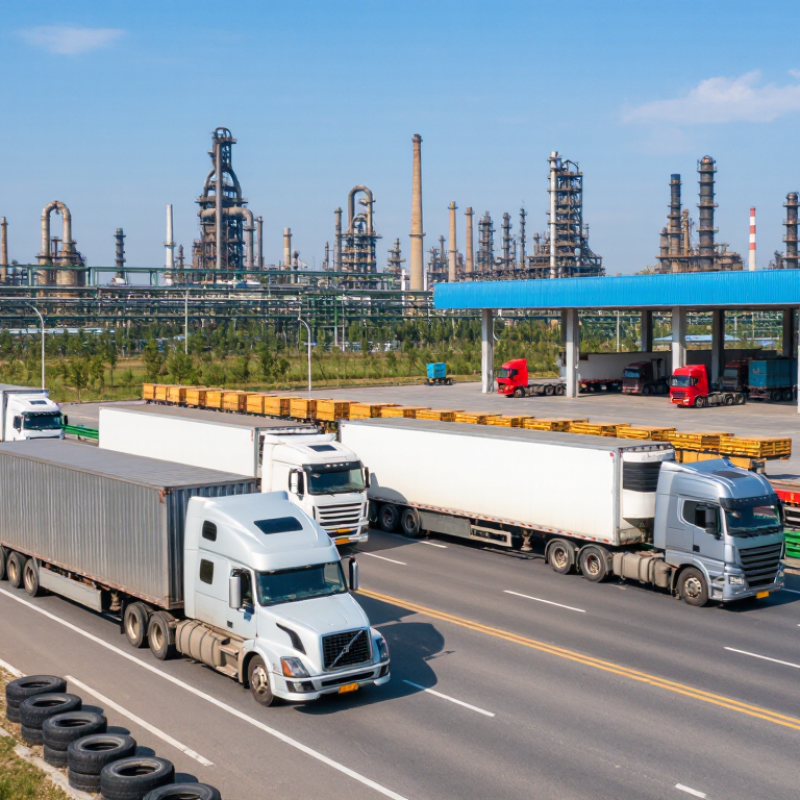
What Is the Environmental Impact of China Top Semi Trailers?

Types of Semi-Trailers Produced by Leading Chinese Manufacturers

Leading Chinese manufacturers produce several semi-trailer types, each suited to different freight. Flatbeds carry steel, timber, and machinery, while enclosed box trailers protect parcels and packaged goods. Curtainsiders allow quick side loading. Refrigerated trailers use insulated bodies and cooling units to keep food cold. Tankers and dump trailers serve liquid and bulk materials. Low-bed models move tall or heavy equipment.

These designs affect fuel use in different ways. A well-matched trailer can reduce empty space and unnecessary trips. But weight, aerodynamics, tire condition, and route choice also matter. Refrigerated units need energy while operating, and poor insulation can increase their workload. Flatbeds may face more wind resistance when cargo is exposed. Specifications vary by manufacturer, so buyers should compare payload, tare weight, insulation, and maintenance needs. A lighter body is not automatically the better choice if it wears out sooner. That trade-off deserves attention.

Tips: Match trailer type to regular cargo, not occasional loads. Check tire pressure and seals, and track fuel use across comparable routes. Small details count. Data can be imperfect, but repeated measurements reveal useful patterns.

Materials and Manufacturing: Energy Use, Emissions, and Waste

A semi-trailer’s environmental footprint begins before it reaches the factory. Steel commonly forms the frame, while aluminum may be used for selected body panels or components. Producing these metals requires energy, and the impact varies with material source, recycled content, and production method. Steel is durable and widely recoverable, but it is heavy. Aluminum can reduce weight, yet primary aluminum production can be energy-intensive. These trade-offs matter.

In manufacturing, cutting, forming, and welding consume electricity and fuel. Welding bays may run for long shifts, with heat, noise, and metal fumes as visible signs of production. Electricity from fossil-fuel-heavy grids can increase associated emissions, though plant-level figures depend on location and process. Surface preparation and painting also use energy. Coatings help protect against corrosion, but overspray, solvents, and cleaning residues require careful handling. Small details matter.

Scrap from cutting can often be sorted and sent for recycling, but mixed materials and contaminated offcuts complicate recovery. Factories also need to manage wastewater, used abrasives, packaging, and rejected parts. A practical assessment should examine energy sources, material records, waste separation, and emissions data—not just a trailer’s finished weight. I would be cautious about treating recycled content as a complete answer; transport, processing, and product life also shape the result. Some production data may be incomplete, so transparent reporting deserves scrutiny.

Environmental Impacts During Trailer Operation and Transport

What Is the Environmental Impact of China Top Semi Trailers?

Environmental Impacts During Trailer Operation and Transport

During operation, a semi-trailer’s environmental footprint is closely tied to the tractor pulling it. Added weight and aerodynamic drag can increase fuel use, especially at highway speeds or on hilly routes. A poorly balanced load may also affect stability and tire wear. Small details matter.

For example, underinflated tires create more rolling resistance, which can mean more fuel burned over repeated delivery runs. Worn tires and brakes also shed particles, while idling at loading bays adds avoidable emissions. Regular inspections help, though they cannot remove every impact. Real-world results depend on payload, road surface, weather, and driving habits.

Transporting empty or partly loaded trailers can be inefficient because they still occupy road space and require fuel. Better trip planning, backhauls, and suitable load matching can reduce unnecessary miles. Aerodynamic side skirts or low-resistance components may help in some conditions, but their benefits should be weighed against added materials and maintenance. There is no single fix. Operators may also lack precise data for every route, so estimates should be treated cautiously and improved with fuel and maintenance records.

End-of-Life Impacts: Maintenance, Reuse, and Recycling

A semi-trailer’s environmental footprint does not end when it leaves the road. In China, long routes, heavy loads, and changing weather can wear down tires, brakes, suspension parts, and flooring. Regular inspections help spot damage before it spreads. Replacing a worn component can use fewer materials than retiring an entire trailer. Small repairs matter.

Maintenance only helps when it is timely and suitable. A cracked frame or badly corroded joint should not be patched without proper assessment. That distinction can be easy to miss. Keeping service records, checking for leaks, and measuring tire wear gives operators useful evidence for repair decisions. It also makes later reuse safer and more practical.

When a trailer can no longer serve its original role, sound components may be refurbished for another vehicle or used as replacement parts. Steel and aluminum can often enter established recycling streams, while tires, batteries, and fluids need separate handling. Careful sorting reduces contamination and preserves material value. Recycling is not impact-free: transport, dismantling, and processing all consume energy. Better records and cleaner separation can improve the outcome, though they do not erase those costs.

Measures to Reduce the Lifecycle Footprint of Chinese Semi-Trailers

Reducing a Chinese semi-trailer’s footprint starts before it reaches the road. The World Steel Association reported an average of about 1.91 tonnes of CO₂ per tonne of crude steel in 2022. That makes steel yield, recycled content, and durable design important purchasing questions. Manufacturers can reduce scrap through accurate cutting and reuse suitable offcuts. Recycled material may lower emissions, but results depend on its source and processing energy. The figures need checking, not assuming.

During service, lower fuel use can outweigh small factory savings. The U.S. EPA SmartWay program indicates aerodynamic devices can deliver fuel savings of roughly 3–15%, depending on equipment and operating conditions. Trailer skirts, rear fairings, and low-rolling-resistance tires can help. So can correct tire pressure, wheel alignment, and prompt repairs. Real routes matter. A device that works on highways may offer less benefit on slow, stop-start routes.

Lifecycle planning should include repairability and end-of-life recovery. Bolted components can be easier to replace than fully welded assemblies. Standardized parts may also reduce downtime, though they do not guarantee lower emissions. Operators should track fuel consumption, payload, maintenance, and kilometers traveled, then compare results across similar routes. This takes effort. Data can be incomplete, and suppliers may use different assumptions. Ask for documented material and energy figures, and review them periodically.

FAQS

Which semi-trailer type suits different kinds of freight?

Flatbeds carry steel, timber, or machinery. Box trailers protect parcels, while curtainsiders allow quick side loading. Refrigerated models keep food cold, and low-beds move tall equipment.

How can trailer choice affect fuel consumption?

Match the trailer to regular cargo to reduce wasted space and unnecessary trips. Weight, aerodynamics, tires, and route conditions also matter.

Do refrigerated trailers use energy even when moving?

Yes. Cooling units need energy during operation. Poor insulation can make them work harder, which may increase fuel or energy use.

What should buyers compare when choosing a trailer?

Compare payload, tare weight, insulation, and maintenance needs. A lighter body is not always better if it wears out sooner.

Which maintenance checks can help extend a trailer’s working life?

Inspect tires, brakes, suspension, flooring, seals, and joints. Keep service records and address damage early. A cracked frame needs proper assessment.

Can parts from an old trailer be reused?

Sound components may be refurbished for another vehicle or kept as replacement parts. Their condition should be checked before reuse.

What happens to steel, aluminum, tires, and fluids at end of life?

Steel and aluminum can often enter recycling streams. Tires, batteries, and fluids need separate handling to reduce contamination.

Which changes may lower fuel use on the road?

Trailer skirts, rear fairings, low-rolling-resistance tires, correct tire pressure, and wheel alignment may help. Results vary by route and equipment.

How should operators judge whether a change is working?

Track fuel use, payload, maintenance, and kilometers across similar routes. Records may be incomplete, so comparisons need care.

Conclusion

Chinese semi-trailers come in a range of designs, including flatbeds, tankers, container carriers, and enclosed or refrigerated trailers. Their environmental footprint begins with the extraction and processing of steel, aluminum, and other materials, and continues through energy use, emissions, and manufacturing waste. Efficient production, durable components, and thoughtful material selection can help limit these impacts.

The Environmental impact of modern semi trailer transportation also depends on how trailers are used. Aerodynamic designs, appropriate loading, regular maintenance, and low-resistance tires can reduce fuel consumption and operational emissions. At the end of service, repairing and reusing components can extend a trailer’s useful life, while sorting and recycling recover valuable materials. Across the lifecycle, cleaner manufacturing, efficient transport practices, and responsible end-of-life management can reduce resource use and waste. Together, these measures offer practical ways to make semi-trailers more sustainable without compromising their role in freight transport.

Aria

Aria

Aria is a dedicated marketing professional with a deep passion for innovative strategies and a keen understanding of our company's product offerings. With a wealth of experience in the industry, Aria excels at crafting engaging content that highlights the unique features and benefits of our......