IDS Auto
Air suspension systems are vital for the performance and stability of low-bed trailers. They provide the necessary support to navigate various terrain while ensuring cargo safety. However, many operators face a common issue: "Why is my air suspension not leveling on a low-bed trailer?" This question highlights a significant concern in the industry. According to recent industry reports, around 30% of low-bed trailer failures are linked to air suspension malfunctions.
Understanding air suspension systems is essential for trailer operators. These systems rely on airbags filled with compressed air to maintain proper height and stability. Factors like air leaks, faulty sensors, or compressor issues can prevent leveling. Data from the Vehicle Service Market indicates that trailer operators should conduct regular maintenance checks to avoid failures and ensure safety.
Addressing air suspension problems can prevent costly downtime. In a competitive market, operators cannot afford to overlook these issues. Failing to identify and resolve air suspension leveling problems could lead to unsafe driving conditions and damage to cargo. Awareness and proactive management are critical in maintaining the integrity of low-bed trailers.
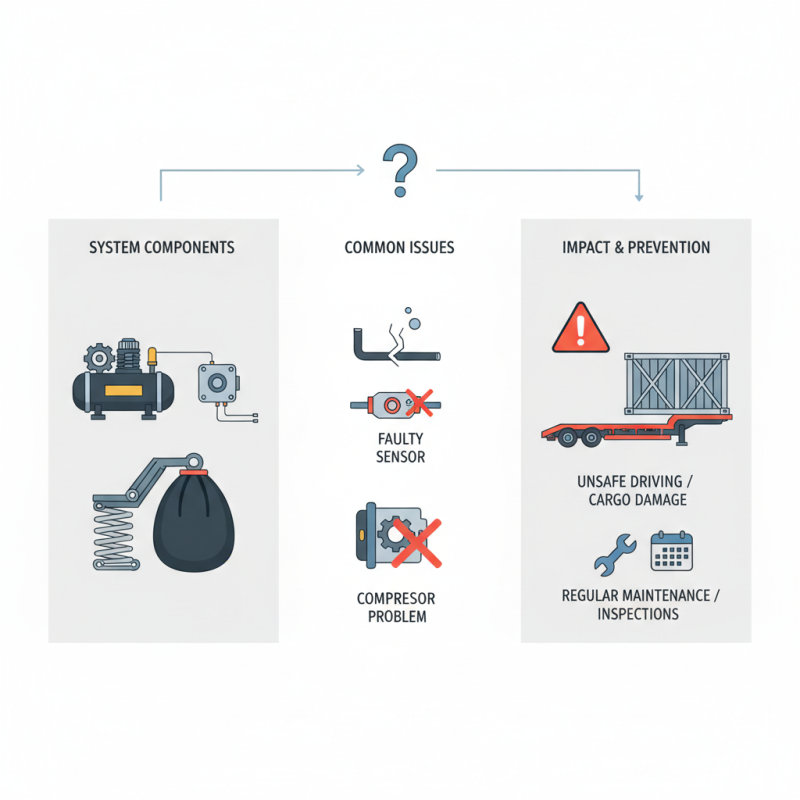
Air suspension systems play a crucial role in low bed trailers. They provide the necessary support and comfort while transporting heavy loads. Understanding these systems helps in troubleshooting issues like failure to level. Common causes for imbalance may include leaks in air lines, faulty sensors, or malfunctioning compressors. Each component's performance directly affects the overall function of the trailer.
Regular maintenance is essential for the longevity of air suspension systems. Check for wear and tear, particularly around air springs and fittings. Look for any visible leaks or unusual noises during operation. A well-maintained system can save you time and money in the long run. Ignoring these signs can lead to more severe problems, resulting in costly repairs.
Drivers should also consider their load distribution. Improperly balanced loads can stress the suspension system, leading to uneven leveling. Frequent adjustments might be necessary, especially when transporting varying cargo types. Being attentive to these details can prevent issues and enhance safety during transport.
| Dimension | Description |
|---|---|
| Air Pressure | An essential factor that determines the lift capability of the air suspension system, typically between 80-100 PSI. |
| Height Sensors | Devices that monitor the height of the trailer and communicate with the air management system to adjust air levels. |
| Air Springs | Elastic components that inflate and deflate to adjust the height and suspension stiffness of the trailer. |
| Compressor | Pumps air into the system; malfunction can cause leveling issues. |
| Leak Detection | Checking for air leaks in lines or fittings crucial for maintaining pressure and proper function. |
| Control Module | Central unit that processes sensor data and manages the air suspension system. |
Air suspension systems are crucial for maintaining the level of low bed trailers. When these systems fail, it can lead to significant problems. One common sign of air suspension failure is uneven tire wear. You may notice one side of the trailer wearing down faster. This indicates that the weight distribution is off, potentially due to a malfunctioning air suspension.
Another sign to watch for is a noticeable dip in the trailer's height. If one corner is lower than the others, it suggests that air isn't being distributed properly. This could stem from leaks in the airbag or pipes. An audible hissing noise may accompany this drop. It indicates escaping air, which needs immediate attention. Additionally, check for any warning lights on your vehicle dashboard. Ignoring these signals can lead to more severe issues down the road.
Regular inspections can help catch these signs early. Look for cracks or tears in the air springs. Check the airlines for any signs of wear. Addressing small issues promptly can save time and money. Keeping a close eye on your trailer's air suspension will ensure a smoother, safer ride. It's essential to remain vigilant and proactive.
Air suspension systems play a crucial role in maintaining the level of low bed trailers. However, several factors can lead to leveling issues. One common cause is an air leak in the system. This can happen due to damaged hoses or fittings. A study by the Heavy Vehicle Research Institute indicates that about 30% of air suspension failures are linked to leaks. Regular inspection can help prevent these problems.
Another factor is improper load distribution on the trailer. If the load is not evenly distributed, pressure on the airbags can vary significantly. This imbalance can lead to uneven leveling. Research shows that 25% of leveling issues stem from incorrect load placement. Furthermore, dirt or debris in the air suspension can also hinder performance. It is essential to keep the components clean to ensure optimal function.
In some cases, the air management system may be malfunctioning. For instance, a faulty height sensor may misjudge the required height, leading to leveling failures. A report from the National Institute for Transportation states that over 20% of air suspension issues arise from sensor-related problems. Identifying these root causes can help maintain proper function and extend the life of the air suspension system. Regular maintenance and inspections are necessary to address these concerns effectively.
Air suspension systems are critical for maintaining the ride height and stability of low bed trailers. When these systems fail to level, it can lead to significant operational issues. Diagnosing the root cause requires careful examination and an understanding of the components involved. One common issue is air leaks. According to industry reports, up to 20% of air suspension failures stem from leaks in the air lines or bags. A thorough inspection for visible damage or soapy water tests can help identify these vulnerabilities.
Another factor to consider is the pressure levels in the air suspension system. Proper pressure is essential for optimal performance. Typically, systems should operate between 60 to 100 PSI, depending on the trailer specifications. If the pressure is too low, leveling will be inadequate. Use a pressure gauge to verify the pressure readings. Insufficient maintenance can lead to improper functioning of valves, which can also contribute to leveling issues. Regular checks can mitigate these problems and enhance reliability.
Worn-out components can also be an alarming indicator. Bushings and mounting brackets may degrade over time, affecting how the air suspension operates. The industry suggests that proactive replacement can extend the lifespan of air suspension systems significantly. Observing any unusual noises or changes in handling patterns can guide further investigation. Each diagnostic step will reveal insights that are crucial for effective troubleshooting. Addressing these concerns promptly can prevent more severe failures down the line.
Air suspension systems are vital for maintaining stability in low bed trailers. However, these systems sometimes fail to level properly. Common causes include air leaks, faulty height sensors, or compressor malfunctions. When these issues arise, it’s critical to address them promptly to avoid more significant problems. According to a report by the Trailer Manufacturers Association, nearly 30% of air suspension failures are linked to improper maintenance.
Regular inspections can help in identifying potential issues before they escalate. Keep an eye out for any signs of wear on the bags and hoses. Inspect the height sensors frequently. These components are crucial for ensuring the suspension levels correctly. Make sure to perform routine checks on the air compressor as well. A malfunctioning compressor may fail to provide the necessary pressure.
Tip: Maintain proper air pressure in your suspension system. Low pressure can cause uneven loading and accelerate wear.
If you notice persistent issues, consider consulting with a professional. Proper maintenance not only prolongs the lifespan of the system but also improves overall safety. Regular maintenance can reduce the likelihood of breakdowns on the road. Another proactive step is to keep detailed maintenance records. This information can be invaluable for identifying recurring problems and improving reliability.
: They provide support and comfort for transporting heavy loads, ensuring stability.
Look for uneven tire wear, noticeable dips in trailer height, or audible hissing noises.
Common causes include air leaks, faulty sensors, and malfunctioning compressors.
It's crucial; it prolongs system life and helps avoid costly repairs due to neglect.
Check for wear on air springs, hoses, and height sensors, and inspect the compressor.
Improperly balanced loads can stress the system, causing uneven leveling and potential damage.
Ignoring issues can lead to severe problems and increased repair costs over time.
Regularly check and adjust the air pressure to prevent uneven loading and wear.
Keeping detailed maintenance records helps identify issues and track recurring problems.
If you notice persistent problems despite routine maintenance and checks.
Air suspension systems play a crucial role in ensuring the stability and load distribution of low-bed trailers. When facing issues such as uneven leveling, it is important to recognize the common signs of air suspension failure, which may manifest as an unbalanced ride or unusual noise levels. The question often arises: "Why is my air suspension not leveling on a low-bed trailer?" This can stem from a variety of causes, including air leaks, faulty airbags, or issues with the compressor system.
To effectively diagnose air suspension problems, one must undertake systematic steps, such as inspecting air lines for leaks and checking the functionality of the compressor. Understanding these diagnostic measures is vital for identifying the root cause of the issue. Once the problem is pinpointed, appropriate repair and maintenance solutions, such as replacing damaged components or performing necessary air system adjustments, can be implemented to restore proper functionality and ensure safe transportation.
